
Is your door lock stuck and refusing to turn no matter how hard you try? This frustrating problem can leave you feeling stuck—literally—and unsure of what to do next.
But don’t worry, you don’t need to call a locksmith just yet. You have the power to fix this yourself. You’ll discover simple, effective steps to get your door lock turning smoothly again. Keep reading, and by the end, you’ll know exactly how to solve this common issue without stress or extra costs.

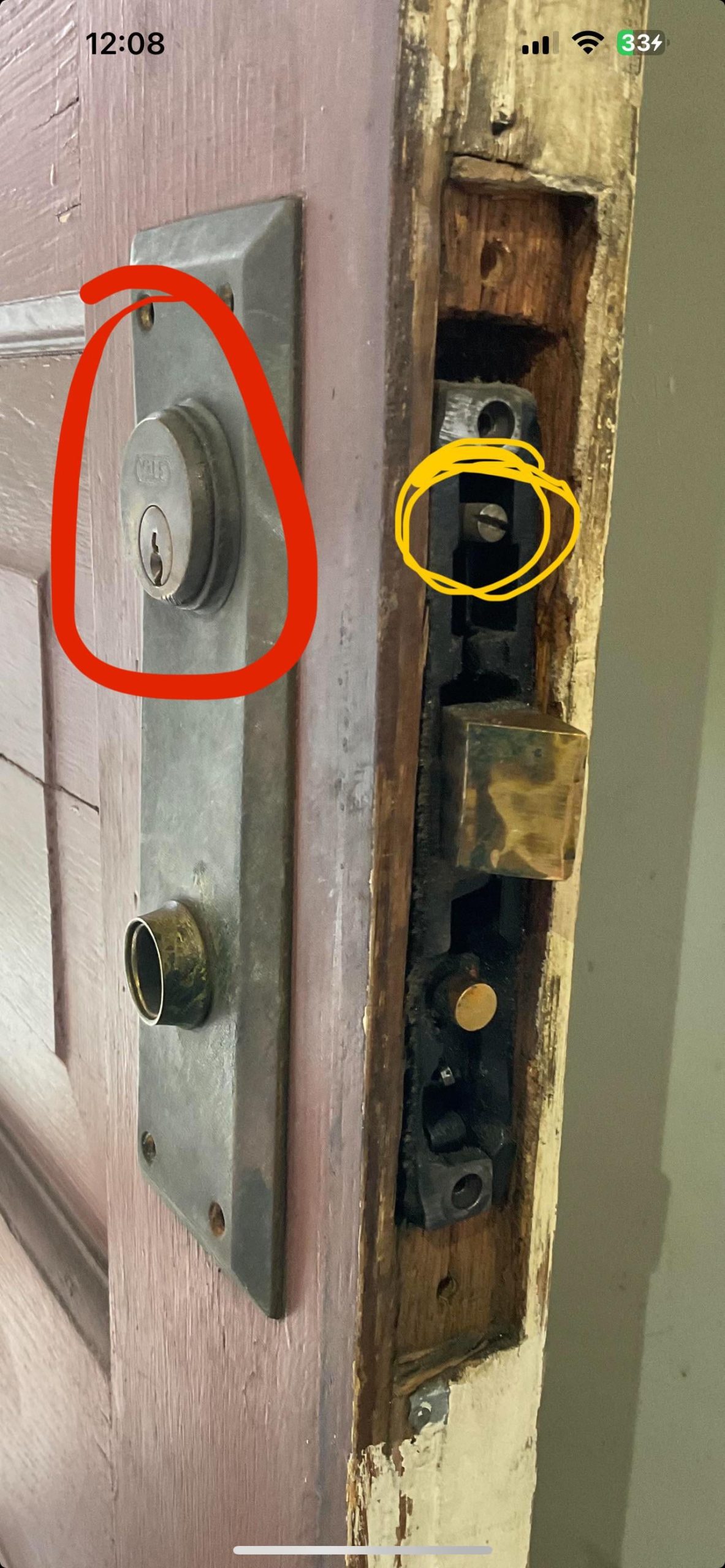
Credit: www.reddit.com
Identify The Problem
A door lock that won’t turn can stop you from entering or securing your space. Finding the exact cause helps you fix it fast.
Look closely at the lock and key. Check each part to spot any issues before trying to repair.
Check For Obstructions
Sometimes dirt, dust, or small objects block the lock. This stops the key or knob from turning smoothly.
- Look inside the keyhole for dirt or debris.
- Use a flashlight to see clearly.
- Try gently blowing air into the lock.
- Remove any visible blockage with a thin tool.
Inspect The Lock Mechanism
Parts inside the lock can wear out or break. Check the lock mechanism for damage or stiffness.
| Issue | What to Look For | Possible Cause |
| Stiff turn | Hard to move the knob or key | Dry or rusty parts |
| Loose parts | Lock feels shaky or wobbly | Broken internal pieces |
| Key stuck | Key won’t come out easily | Misaligned pins inside lock |
Test The Key
The key may be worn or bent. Test it carefully to see if it matches the lock’s shape and works smoothly.
- Try the key in other locks if possible.
- Use a spare key to check if the problem is the key itself.
- Look for cracks or bends in the key blade.
- Check if the key turns smoothly or gets stuck.
Simple Fixes To Try
When your door lock won't turn, it can be frustrating. But there are simple solutions you can try before calling a locksmith.
These fixes are easy and require minimal tools. Let's explore some common methods to get your door lock working again.
Lubricate The Lock
Sometimes, a lock won't turn because it needs lubrication. Dust and dirt can accumulate inside, causing it to stick.
- Use a graphite lubricant or silicone spray.
- Insert the lubricant nozzle into the keyhole.
- Spray gently, then insert and turn the key a few times.
Tighten Loose Screws
Loose screws can cause the lock to misalign, making it difficult to turn. Check the screws on the lock and door handle.
A screwdriver that fits the screws on your door lock.
Align The Door And Frame
A misaligned door can make the lock hard to turn. Check if the door fits snugly within the frame.
| Problem | Solution |
| Door sticks | Adjust hinges |
| Gap visible | Install weatherstripping |
Advanced Troubleshooting
Fixing a door lock that won’t turn can be tricky. Basic fixes might not work for all problems.
Advanced troubleshooting helps find deeper issues and restore smooth lock function.
Remove And Clean The Lock
Start by carefully removing the lock from the door. Dirt and debris inside can block the mechanism.
- Unscrew the lock faceplate and remove it gently.
- Use compressed air to blow out dust and small particles.
- Apply a graphite lubricant to the keyhole and moving parts.
- Wipe off old grease and dirt with a clean cloth.
- Test turning the lock before reassembling it.
Replace Damaged Components
Damaged parts often cause locks to jam. Identify broken or worn pieces to replace them.
| Component | Common Problem | Solution |
| Lock Cylinder | Worn pins or tumblers | Replace the cylinder |
| Springs | Broken or weak tension | Install new springs |
| Latch Bolt | Misaligned or stuck | Adjust or replace latch |
| Key | Bent or damaged cuts | Get a new key cut |
Rekey Or Replace The Lock
Rekeying changes the lock to work with a new key. It fixes issues caused by worn keys or lost access.
- Remove the lock cylinder from the door.
- Use a rekeying kit to swap out the pins inside.
- Test the new key to ensure smooth turning.
- If rekeying is not possible, consider replacing the entire lock.
Preventive Maintenance Tips
Door locks often stop turning because of dirt, rust, or damage. Regular care helps keep locks working smoothly. Follow simple maintenance tips to avoid problems.
Taking care of your lock can save you time and money. These tips help prevent stuck locks and extend their life.
Regular Cleaning
Dust and dirt build up inside locks and cause them to jam. Clean your lock every few months to keep it free of debris.
Use a soft brush or compressed air to remove dirt from the keyhole and lock parts.
- Remove dust with a small brush
- Blow out dirt using compressed air
- Wipe exterior parts with a damp cloth
Proper Lubrication Schedule
Locks need lubrication to work smoothly. Oil or graphite powder helps reduce friction inside the lock.
Apply lubricant every six months or if the lock feels stiff. Avoid using heavy oils that attract dirt.
- Use lock-specific lubricants like graphite powder
- Avoid WD-40 or thick oils inside the lock
- Spray or apply a small amount only
- Test the lock after lubrication to ensure smooth turning
Avoid Forceful Use
Forcing a key or lock handle can damage the internal parts. Turn the key gently and stop if it feels stuck.
If the lock won’t turn, check for dirt or lubrication issues instead of using force. Call a locksmith if needed.
- Turn the key slowly without pushing hard
- Do not wiggle the key excessively
- Inspect the lock for visible problems before use
- Seek professional help if the lock remains stuck
When To Call A Locksmith
Sometimes a door lock will not turn even after trying simple fixes. Knowing when to call a locksmith can save time and prevent damage.
A locksmith has the tools and skills to fix serious lock problems safely and quickly.
Signs Of Serious Damage
If the lock feels stuck or the key will not move at all, there might be serious damage inside the lock. This can happen if the lock is old, broken, or forced.
Trying to force the lock can cause more damage. A locksmith can check if the lock needs repair or replacement.
- Key does not turn or feels stuck
- Lock is loose or wobbly on the door
- Visible damage or broken parts on the lock
- Key breaks inside the lock
Emergency Lock Issues
Some lock problems need immediate help. If you are locked out or the lock fails during a security threat, call a locksmith right away.
Emergency locksmiths can help you get back inside and fix the lock fast. Do not try to fix it yourself in urgent cases.
- Locked out of your home or car
- Lock is damaged after a break-in
- Lock stops working suddenly at night
- Lost keys and no spare available
Choosing A Reliable Professional
Pick a locksmith who is licensed and experienced. This ensures the job is done safely and correctly.
Check reviews or ask for recommendations. A trustworthy locksmith will respect your property and explain the repair clearly.
- Look for licensing and insurance
- Read customer reviews and ratings
- Ask about pricing before work starts
- Choose someone local and available 24/7

Credit: www.angi.com

Credit: www.reddit.com
Frequently Asked Questions
Why Won’t My Door Lock Turn At All?
A door lock may not turn due to dirt, rust, or a misaligned latch. Lubricate the lock with graphite or WD-40. Check if the door is properly aligned. Tighten loose screws and ensure the key fits correctly to restore smooth turning.
How Can I Fix A Stuck Door Lock Quickly?
Spray lubricant inside the keyhole and insert the key gently. Wiggle the key while trying to turn the lock. If stuck, remove the lock cylinder to clean or replace it. Regular maintenance prevents future sticking issues.
What Causes A Door Lock Key To Not Turn?
Common causes include worn keys, dirt buildup, or internal lock damage. Inspect the key for wear and clean the lock cylinder. Lubricate and try a spare key. If the problem persists, consider lock replacement or professional help.
Can Weather Affect Door Lock Turning?
Yes, extreme cold or moisture can freeze or rust locks. This causes stiffness or complete lock failure. Use weather-resistant lubricants and install a lock cover for protection. Regularly maintain locks to prevent weather-related issues.
Conclusion
Fixing a door lock that won’t turn can be simple. Start with cleaning and lubricating the lock. Check the key for damage and try gently turning it. If the lock still sticks, inspect the internal parts carefully. Small issues often cause big problems.
Taking your time helps avoid extra damage. If problems continue, consider calling a professional locksmith. Staying calm and patient makes the process easier. A working door lock keeps your home safe and secure. Don’t ignore the problem; fixing it today saves trouble tomorrow.