
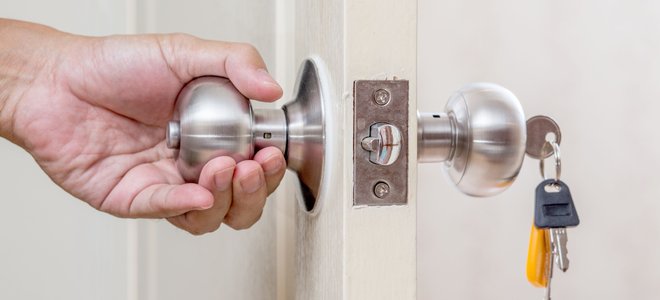
Is your door knob sticking and making it hard to open or close your door smoothly? It’s frustrating, isn’t it?
A sticky door knob can disrupt your day and even cause damage if ignored. But don’t worry—you don’t need to call a repairman or spend a fortune to fix it. You’ll discover simple, effective steps you can take right now to get your door knob working like new again.
Keep reading, and you’ll save time, money, and a lot of hassle.
Common Causes Of A Sticking Door Knob
A door knob that sticks can be frustrating and slow to open. Many issues cause a door knob to stick. Fixing these problems can make your door work smoothly again.
Understanding what causes a sticking door knob helps you find the right fix. Some causes are easy to spot and fix yourself.
Worn Out Components
Over time, the parts inside a door knob can wear out. The latch, springs, or screws may become loose or broken. This wear can make the knob hard to turn.
Worn parts create resistance. The knob may stick or not catch properly. Replacing these parts often solves the problem.
Dirt And Debris Buildup
Dirt, dust, and debris can get inside the door knob mechanism. This buildup can block the moving parts. It makes the knob stiff and hard to turn.
Cleaning the inside of the knob and the latch area removes the buildup. Lubricating the parts helps the knob move smoothly again.
- Remove the knob carefully
- Use a brush or cloth to clean inside
- Apply a small amount of lubricant
- Reassemble and test the knob
Misaligned Door Or Latch
If the door or latch is not aligned, the knob may stick. The latch may not fit properly into the strike plate. This causes resistance when turning the knob.
Checking the door alignment and adjusting the strike plate or hinges can fix this. Make sure the latch moves freely into the plate.
- Close the door slowly and watch the latch
- Check if the latch hits the strike plate evenly
- Adjust the strike plate position if needed
- Tighten or adjust door hinges
Tools And Materials Needed
Fixing a door knob that sticks is a simple task. You need the right tools and materials. Here is what you will need to start.
Lubricants And Cleaners
Lubricants help in making the door knob turn smoothly. Cleaners remove any dirt or grime.
- Graphite spray
- Silicone-based lubricant
- Multi-purpose cleaner
Basic Hand Tools
Basic hand tools are necessary for removing and fixing the door knob. These tools will help you tighten or loosen screws.
| Tool | Purpose |
| Screwdriver | Remove screws |
| Allen wrench | Adjust knobs |
| Cloth | Clean surfaces |
Quick Fixes To Try First
A door knob that sticks can be annoying and slow you down. Fixing it often takes only a few minutes. Try some simple fixes before calling a professional.
These quick fixes focus on cleaning, lubrication, and tightening. They often solve the problem fast and easily.
Cleaning The Knob And Latch
Dirt and dust can cause a door knob to stick. Cleaning the knob and latch helps the parts move smoothly.
- Use a soft cloth to wipe the knob surface.
- Apply a mild soap solution to remove grime.
- Use a cotton swab to clean inside the latch area.
- Dry all parts completely before testing the knob.
Applying Lubricant Properly
Lubricant reduces friction inside the knob and latch. Use the right type and apply it carefully to avoid damage.
| Lubricant Type | Use |
| Silicone spray | Safe for most knobs and locks |
| Graphite powder | Good for metal locks, dry lubricant |
| WD-40 | Temporary fix; avoid overuse |
Spray or apply a small amount of lubricant inside the latch and around the knob mechanism. Test the knob after a few minutes.
Tightening Loose Screws
Loose screws can cause the knob to stick or feel wobbly. Tightening them helps keep all parts in place.
- Locate all screws on the knob and latch plate.
- Use a screwdriver to tighten each screw firmly.
- Check the knob for smooth turning after tightening.
- If screws strip, replace them with slightly larger ones.

Credit: m.youtube.com
Adjusting The Door Alignment
A door knob that sticks often means the door is not aligned correctly. Fixing the alignment can help the knob work smoothly again. This guide covers two key areas: checking the hinges and realigning the strike plate.
Both of these parts affect how the door fits in its frame. Small adjustments can stop the knob from sticking.
Checking Hinges
Loose or damaged hinges can cause the door to sag. This sagging makes the knob hard to turn. Start by looking at each hinge and its screws.
- Open the door and check each hinge for loose screws.
- Tighten any loose screws with a screwdriver.
- If screws are stripped, replace them with longer ones.
- Check the hinge pins and remove dirt or rust.
- Apply a small amount of oil to the hinge pins for smooth movement.
- If hinges are bent or damaged, replace them.
After making these changes, close and open the door several times. See if the knob still sticks. If it does, move on to realigning the strike plate.
Realigning The Strike Plate
The strike plate is the metal piece on the door frame where the latch fits. If it is out of place, the latch won't catch properly. This can cause the door knob to stick.
| Task | How to Do It |
| Check alignment | Close door slowly and watch where latch hits strike plate |
| Mark position | Use pencil to mark new strike plate hole position if needed |
| Remove strike plate | Unscrew and take off the plate |
| Adjust position | Move plate up or down based on marks |
| Fill old holes | Use wood filler to close old screw holes |
| Reattach plate | Screw plate back in new position |
| Test door | Close door and check knob action |
These adjustments help the latch fit perfectly into the strike plate. It stops the knob from sticking when you open or close the door.
Replacing Faulty Parts
Fixing a door knob that sticks often means replacing broken parts. This guide shows how to remove the old door knob and install a new latch or knob. You do not need special tools or skills to do this yourself.
Follow each step carefully to avoid damaging the door. Replacing parts can make your door work smoothly again.
Removing The Door Knob
Start by taking off the old door knob. You need to remove screws and separate the knob from the door. Keep the screws safe if you plan to reuse them.
- Find the small screws on the knob or plate.
- Use a screwdriver to remove all screws.
- Pull the knob from both sides of the door.
- Take out the latch by sliding it from the edge of the door.
Installing A New Latch Or Knob
After removing the old parts, install the new latch or knob. Make sure the new latch fits the door hole. Align all parts before tightening screws.
| Part | Action | Tip |
|---|---|---|
| Latch | Slide into the door edge | Check it fits flush with the door |
| Knob | Place on both sides of the door | Align screw holes carefully |
| Screws | Tighten securely | Do not overtighten to avoid damage |

Credit: www.lowes.com
Preventive Tips To Avoid Future Sticking
A door knob that sticks can be very frustrating. It makes opening and closing doors hard.
Taking simple steps can stop your door knob from sticking again. Preventive care saves time and effort.
Regular Maintenance Routine
Check your door knobs often to keep them working smoothly. Clean and oil the parts regularly.
Look for dirt, dust, or rust that can cause sticking. Tighten loose screws to keep the knob steady.
- Clean knobs with a soft cloth every month
- Apply lubricant like graphite or silicone spray
- Tighten screws with a screwdriver
- Inspect for rust or damage
Choosing Quality Hardware
Select door knobs made from strong and durable materials. Good quality parts last longer and work better.
Choose knobs with smooth finishes to reduce friction. Avoid cheap knobs that can wear out fast.
- Pick knobs made of brass, stainless steel, or solid metal
- Look for smooth turning action in the store
- Choose knobs with corrosion-resistant coatings
- Check product reviews for durability

Credit: locksmithexpresssc.com
Frequently Asked Questions
Why Does My Door Knob Stick When Turned?
A door knob may stick due to dirt buildup, rust, or misalignment. Lubricating the mechanism or tightening screws often fixes it. Regular maintenance prevents sticking and ensures smooth operation.
How Can I Lubricate A Sticking Door Knob?
Use a silicone-based spray or graphite lubricant. Avoid oil-based products as they attract dust. Apply lubricant to the latch and knob mechanism for smooth turning.
What Tools Are Needed To Fix A Sticking Door Knob?
Common tools include a screwdriver, lubricant, and sometimes sandpaper. These help tighten screws, clean parts, and lubricate mechanisms for a smooth function.
Can Temperature Changes Cause Door Knobs To Stick?
Yes, wood expansion or contraction from temperature changes can cause sticking. Adjusting the strike plate or sanding edges can resolve this issue.
Conclusion
Fixing a door knob that sticks can be simple and quick. Small steps like cleaning, tightening screws, or lubricating help a lot. These easy fixes save money and avoid frustration. Keep your door knob working smoothly with regular care. A working door knob makes your home safer and more comfortable.
Try these tips next time your door knob feels stuck. You can do it yourself without special tools or skills. Simple actions bring big improvements.