
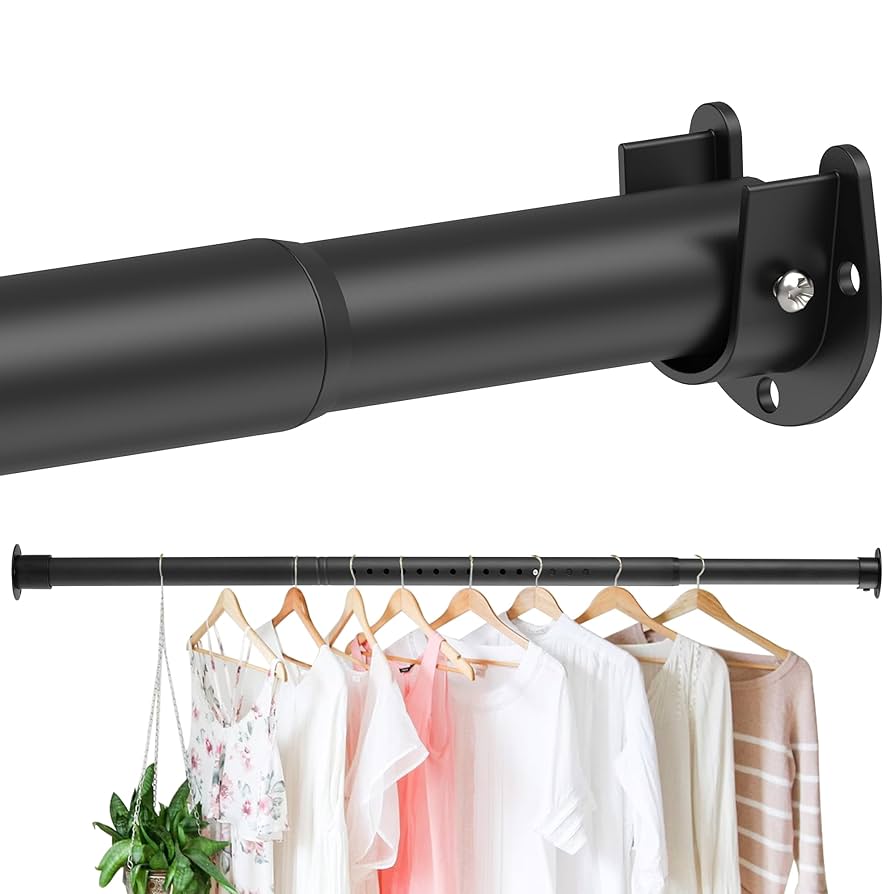
Have you ever wondered how much weight your closet rod can actually hold? You might be surprised to learn that not all closet rods are built the same, and overloading yours could lead to a costly break or a messy wardrobe disaster.
Whether you’re planning to hang heavy coats, lots of clothes, or even storage bins, knowing your closet rod’s weight limit is key to keeping everything safe and organized. You’ll discover exactly how much weight your closet rod can support and simple tips to make sure it lasts longer than you expect.
Keep reading—your closet will thank you!
Factors Affecting Closet Rod Strength
The strength of a closet rod depends on several factors. These factors determine how much weight the rod can safely hold.
Understanding these factors helps you pick the right rod for your closet and avoid damage.
Material Types
Closet rods come in many materials. Common types include wood, metal, and plastic. Each material has different strength and durability.
- Wood:Strong but may bend or crack under heavy load.
- Metal:Usually steel or aluminum, very strong and durable.
- Plastic:Lightweight but less strong, best for light loads.
Rod Diameter
The thickness of the rod affects its strength. A thicker rod can hold more weight without bending.
| Diameter | Typical Weight Capacity |
| 1 inch | Up to 100 lbs |
| 1.25 inches | Up to 150 lbs |
| 1.5 inches | Up to 200 lbs |
Mounting Hardware
The hardware used to fix the rod in place affects strength. Strong brackets and screws improve support.
- Heavy-duty metal brackets hold more weight.
- Anchors or wall plugs add support in drywall.
- Small or weak brackets reduce rod capacity.
Installation Method
How you install the rod matters. Proper installation ensures the rod stays secure.
| Installation Type | Strength Level |
| Mounted into wall studs | High |
| Mounted with drywall anchors | Medium |
| Mounted with adhesive or no anchors | Low |

Credit: www.amazon.com
Common Closet Rod Materials
Closet rods come in different materials. Each type has its own strength and weight capacity. Choosing the right material is key to organizing your closet effectively.
Let's explore the most common materials used for closet rods and how much weight they can support.
Wood Rods
Wood rods are strong and can hold a lot of weight. They are often made from hardwoods like oak or maple. Wood rods are perfect for heavy clothing.
- Sturdy and durable
- Can hold up to 150 pounds
- Natural look matches many decors
Metal Rods
Metal rods are popular for their strength. They are often made from steel or aluminum. Metal rods can handle heavy loads without bending.
- Very strong and long-lasting
- Can support up to 170 pounds
- Ideal for large closets with heavy clothes
Plastic Rods
Plastic rods are lightweight and affordable. They are best for light clothing. Plastic rods are not as strong as wood or metal.
- Light and easy to install
- Supports up to 45 pounds
- Suitable for children’s closets or small spaces
Weight Capacity By Material
Closet rods come in different materials. Each material holds a different amount of weight. Knowing the limits helps you avoid breaking the rod.
The weight a closet rod can hold depends on its material and thickness. This guide explains the limits for wood, metal, and plastic rods.
Wood Rod Limits
Wood closet rods are common and strong. They can hold a good amount of weight if made from solid wood. Softwoods like pine hold less weight than hardwoods like oak.
A typical wood rod can hold between 20 to 45 pounds per linear foot. Thicker rods hold more weight. Make sure the rod is well supported at each end.
- Pine rod: up to 20 pounds per foot
- Oak rod: up to 45 pounds per foot
- Support rods every 3 to 4 feet
Metal Rod Limits
Metal rods are very strong and can hold more weight than wood or plastic. Steel rods are common in closets and can support heavy loads without bending.
Metal rods can hold about 50 to 100 pounds per linear foot, depending on thickness and type of metal. Thicker steel rods hold more weight and last longer.
- Steel rods: 70 to 100 pounds per foot
- Aluminum rods: 50 to 70 pounds per foot
- Support rods every 4 to 6 feet
Plastic Rod Limits
Plastic rods are lightweight but not very strong. They are best for light clothing or small closets. Plastic rods can bend easily under heavy weight.
Most plastic rods hold between 10 to 20 pounds per linear foot. They need close support to avoid sagging. Avoid using plastic rods for heavy coats or many hangers.
- Plastic rods: 10 to 20 pounds per foot
- Support rods every 2 to 3 feet
- Best for light clothing only
Impact Of Rod Diameter On Strength
The diameter of a closet rod plays a big role in how much weight it can hold. Thicker rods are stronger and bend less under heavy loads.
Choosing the right rod diameter helps keep your clothes safe and prevents the rod from breaking or sagging.
How Diameter Affects Load Capacity
Closet rods with larger diameters can support more weight. This is because thicker rods resist bending forces better than thinner ones.
- Smaller diameter rods may bend under heavy clothes
- Larger diameter rods stay straight and hold more weight
- Common diameters range from 1 inch to 1.5 inches
- Steel rods usually hold more than wooden rods of the same diameter
Material And Diameter Combination
The rod's material also affects strength, but diameter often makes the biggest difference. A thick wooden rod can hold more than a thin metal one.
| Rod Diameter | Material | Approximate Weight Capacity |
| 1 inch | Wood | 50 lbs (23 kg) |
| 1 inch | Steel | 80 lbs (36 kg) |
| 1.25 inches | Wood | 75 lbs (34 kg) |
| 1.25 inches | Steel | 120 lbs (54 kg) |
| 1.5 inches | Wood | 100 lbs (45 kg) |
| 1.5 inches | Steel | 150 lbs (68 kg) |
Choosing The Right Diameter
Pick a rod diameter based on the weight and type of clothes you hang. Heavy coats and many items need thicker rods.
- Use 1 inch diameter for light clothing
- Use 1.25 inches for moderate weight items
- Use 1.5 inches or more for heavy clothes or large closets
Mounting Options And Their Strength
Closet rods need strong mounting to hold clothes safely. Different mounting options offer different weight capacities. Choosing the right one helps avoid accidents and damage.
We will explore wall anchors, stud mounting, and brackets. Each option has its own strength and best use cases.
Wall Anchors
Wall anchors help secure closet rods to drywall. They spread the weight load over a larger area. This prevents the rod from pulling out of the wall.
Plastic anchors hold light to medium weight. Metal anchors support heavier loads. Proper installation is important for safety.
- Plastic anchors hold up to 20-30 pounds
- Metal anchors hold up to 50 pounds or more
- Use anchors rated for your rod’s weight
Stud Mounting
Mounting closet rods directly into wall studs offers the strongest support. Studs are wooden beams behind drywall. They can hold much more weight than anchors.
Use a stud finder to locate studs. Attach the rod brackets with screws into the studs. This method can hold heavy clothes and large amounts of weight.
- Stud mounting supports 100 pounds or more
- Best for heavy coats and large closets
- Use long screws for better grip
Brackets And Supports
Brackets and supports add extra strength to closet rods. They help spread the weight and keep the rod stable. Choose brackets that fit your rod size and weight needs.
Support brackets in the middle prevent the rod from bending. Heavy-duty brackets hold more weight than basic ones. Proper spacing of supports is important.
- Use support brackets every 3 to 4 feet
- Heavy-duty brackets hold 50 to 100 pounds
- Check bracket specs for weight limits

Credit: www.amazon.com
Installation Tips For Maximum Support
Closet rods need strong support to hold clothes safely. Proper installation helps prevent bending or falling.
Follow these tips to install your closet rod securely and increase its weight capacity.
Proper Spacing
Place support brackets at the right distance to avoid rod sagging. Keep brackets close enough to hold weight evenly.
For most rods, space brackets about 32 inches apart or less. Shorter distances offer more strength.
- Measure the rod length before spacing brackets
- Do not exceed 32 inches between brackets
- Use extra brackets for longer rods
Securing Brackets
Fasten brackets into wall studs for best support. Drywall alone cannot hold much weight.
Use a stud finder to locate studs. Drill pilot holes to avoid wood splitting and ensure tight screws.
- Find studs behind the wall
- Use screws designed for wood or metal studs
- Tighten screws firmly without overdriving
Using Reinforcements
Add reinforcements to increase rod strength for heavy loads. This helps keep the rod straight and stable.
Install a center support bracket on long rods. Use thicker rods or double rods for extra weight.
- Place a center bracket on rods over 48 inches
- Choose steel rods over plastic or thin metal
- Consider double rods for heavy clothing
Signs A Closet Rod Is Overloaded
Closet rods hold many clothes, but they have limits. Overloading a rod can cause it to bend or break.
Knowing the signs of an overloaded closet rod helps you avoid damage and keep your clothes safe.
Visible Bending Or Sagging
If your closet rod curves downward in the middle, it is a clear sign of too much weight. A bent rod cannot hold clothes properly.
Rod Feels Loose Or Unstable
A rod that moves or wobbles when you touch it may be overloaded. The supports might be under stress and weakening.
Clothes Are Crowded Or Hard To Hang
When clothes are packed tightly and hard to slide, it may mean the rod is holding too much. This extra weight adds pressure.
Cracks Or Damage On The Rod Or Brackets
Look closely for any cracks, chips, or damage on the rod or its brackets. These signs show stress from too much load.
Closet Rod Weight Limits
| Rod Material | Average Weight Capacity | Signs of Overload |
| Wood | 50-100 lbs | Bending, cracks, loose brackets |
| Metal | 100-200 lbs | Sagging, bending, unstable mount |
| Plastic | 20-50 lbs | Warping, breaking, loose ends |
Upgrading Your Closet Rod For More Weight
Closet rods often hold many clothes. Sometimes, they need to carry more weight. Upgrading your closet rod can help it hold heavier items safely.
This guide covers ways to make your closet rod stronger. You will learn about better materials, extra support, and stronger hardware.
Choosing Stronger Materials
The type of material your closet rod is made from affects how much weight it can hold. Stronger materials last longer and support more clothes.
- Wood:Solid hardwood rods are strong but can bend if too long.
- Metal:Steel or aluminum rods hold heavy loads well and resist bending.
- Plastic:Usually for light use only; avoid for heavy clothes.
Adding Support Brackets
Support brackets give extra strength to your closet rod. They help spread the weight and stop the rod from sagging.
| Bracket Type | Best Use | Weight Support |
| Single Center Bracket | Long rods over 4 feet | Up to 50 lbs |
| Multiple Brackets | Extra long rods or heavy clothes | Over 100 lbs |
| Wall-Mounted Brackets | Standard closets | Moderate weight |
Replacing Mounting Hardware
Strong mounting hardware keeps the rod secure. Old or weak screws and anchors can cause failure under heavy weight.
- Use heavy-duty screws or wall anchors rated for high weight.
- Choose screws long enough to hold firmly in wall studs.
- Check that brackets fit tightly to prevent movement.
- Replace rusty or worn hardware for safety.
Diy Testing Methods For Rod Strength
Knowing how much weight your closet rod can hold is important. Testing it yourself can prevent damage.
There are simple ways to check the rod’s strength using everyday items. These tests help you avoid overloading.
Visual Inspection For Damage
Start by looking closely at the rod. Check for cracks, bends, or rust. These signs show weak spots.
Weight Load Test Using Household Items
Use common objects to test the rod’s weight limit. Add weight slowly and watch for bending or noise.
- Gather heavy books, bags, or boxes
- Hang items evenly along the rod
- Check if the rod bends or sags
- Stop adding weight if the rod shows stress
Measuring Deflection Under Load
Measure how much the rod bends under weight. Use a ruler to check the drop in the middle.
| Weight Added (lbs) | Rod Deflection (inches) |
| 10 | 0.2 |
| 20 | 0.5 |
| 30 | 1.0 |
| 40 | 1.8 |
Using A Hanging Scale For Precision
A hanging scale measures exact weight on the rod. Attach it to the rod and add weight to test limits.
Attach the hanging scale securely. Pull down slowly with added weight. Record the maximum weight before the rod bends or shifts.

Credit: www.amazon.com
Frequently Asked Questions
How Much Weight Can A Standard Closet Rod Hold?
A standard wooden or metal closet rod typically holds between 20 to 45 pounds. Weight capacity depends on rod material, thickness, and length. Proper installation with adequate support brackets increases strength and prevents bending or breaking.
What Factors Affect A Closet Rod's Weight Capacity?
Closet rod weight depends on material type, diameter, length, and mounting method. Metal rods hold more than wooden ones. Rods supported closer to the ends carry heavier loads. Quality brackets and wall anchors also impact capacity.
Can A Closet Rod Hold Heavy Winter Coats?
Yes, a sturdy metal rod with proper supports can hold multiple heavy winter coats. However, avoid overloading to prevent sagging or damage. Distribute weight evenly and install center supports for added strength.
How To Increase A Closet Rod’s Weight Capacity?
Use thicker, high-quality metal rods and add center supports or brackets. Secure mounting hardware to studs or use heavy-duty wall anchors. Reinforcing the rod prevents sagging and allows it to hold more weight safely.
Conclusion
Closet rods hold different weights depending on material and installation. Wood rods usually support less weight than metal ones. Proper brackets and wall anchors increase strength. Avoid overloading to prevent bending or breaking. Check weight limits before adding heavy items.
This helps keep your closet safe and organized. Choose the right rod to match your needs. Small steps protect your clothes and closet structure. Simple care extends the life of your closet rod. Now, you can confidently select a rod that works best.