
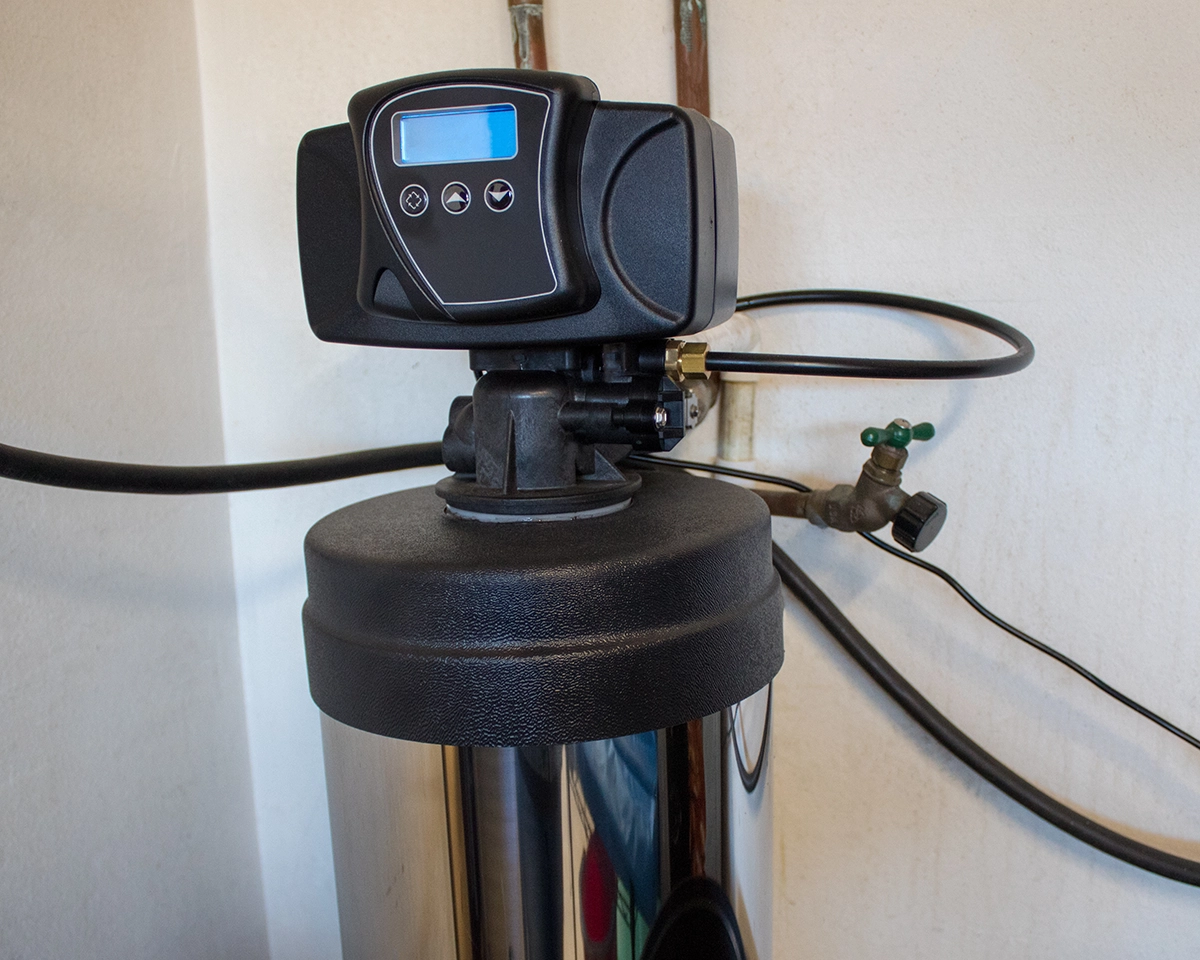
Are you wondering how long your water softener system will keep working effectively? Knowing the lifespan of your system can save you from unexpected breakdowns and costly repairs.
You’ll discover the key factors that affect how long your water softener lasts and simple tips to make it last even longer. Keep reading to ensure your home always has soft, clean water without any surprises.
Water Softener Basics
A water softener system removes minerals like calcium and magnesium. These minerals cause hard water, which can damage pipes and appliances.
Soft water helps extend the life of your plumbing and improves soap efficiency. Knowing how long a system lasts helps with maintenance and replacement planning.
Types Of Water Softeners
There are several types of water softeners available. Each type works differently to remove hard minerals from water.
The most common types are ion exchange, salt-free, and magnetic softeners.
- Ion Exchange Softeners:Swap calcium and magnesium for sodium ions.
- Salt-Free Softeners:Use a process called template-assisted crystallization.
- Magnetic Softeners:Use magnets to change mineral properties.
Key Components
Water softeners have several important parts that work together. These parts help remove hard minerals and keep the system running.
The main components include the mineral tank, brine tank, control valve, and resin beads.
- Mineral Tank:Holds resin beads that capture hard minerals.
- Brine Tank:Contains salt solution used to clean the resin.
- Control Valve:Manages water flow and regeneration cycles.
- Resin Beads:Tiny beads that trap calcium and magnesium.

Credit: anchorplumbingservices.com
Average Lifespan Expectations
Water softener systems help remove minerals like calcium and magnesium. This makes water easier on appliances and your skin.
Knowing how long these systems last can help you plan for replacements and maintenance costs.
Typical Lifespan Range
On average, a water softener system lasts between 10 to 15 years. The lifespan can vary based on usage and maintenance.
- Entry-level models: 8-10 years
- Mid-range models: 10-12 years
- High-end models: 12-15 years
Factors Influencing Longevity
Several factors can affect how long your water softener lasts. Understanding these can help you extend its life.
| Factor | Impact on Lifespan |
| Water Hardness | Higher hardness may reduce lifespan |
| Maintenance | Regular service can extend life |
| Quality of Components | Better parts last longer |
Regular checks and proper installation also play key roles. Choosing a system that fits your needs can prevent overuse.
Maintenance Tips To Extend Life
A water softener system needs care to last many years. Simple maintenance helps keep it working well.
Follow these tips to protect your system and avoid early problems.
Regular Cleaning
Clean your water softener regularly to stop dirt and minerals from building up. This keeps the system efficient.
Use mild soap and water to clean the resin tank and brine tank. Avoid harsh chemicals that can damage parts.
Salt Refilling Practices
Keep your salt level in the brine tank above half full. Low salt can cause poor softening and damage the system.
Use high-quality salt made for water softeners. Clean salt helps the system work better and last longer.
- Check salt level every month
- Refill before it goes below half tank
- Avoid salt with impurities or dirt
Checking For Salt Bridges
Salt bridges are hard crusts that form in the brine tank. They stop salt from dissolving properly and hurt softening.
Tap the salt surface gently to break any crust. Use a broom handle or stick to check for hidden salt bridges.
- Look for hollow sounds when tapping salt
- Break salt bridges carefully to avoid damage
- Remove large chunks if needed

Credit: aquasoftpalmbeach.com
Signs Of Wear And Tear
Water softener systems work hard to protect your home from hard water damage. Over time, these systems can show signs of wear and tear. Recognizing these signs helps you know when to repair or replace parts.
Watch for changes in how your water softener performs. Small problems can turn into bigger issues if ignored. Here are key signs to check regularly.
Reduced Softening Efficiency
If your water feels harder than usual, your system may not be working well. Scale build-up on faucets and dishes is a clear sign. The resin beads inside the softener can wear out over time.
- Water spots on glassware
- Soap does not lather well
- Scale on pipes and appliances
- Changes in water taste or smell
Unusual Noises Or Leaks
Strange sounds or leaks can mean parts inside the softener are failing. You might hear grinding, hissing, or clicking noises. Water pooling near the system shows a leak that needs fixing fast.
| Noise Type | Possible Cause | Action Needed |
| Grinding | Worn motor or gears | Check motor, replace parts |
| Hissing | Water pressure issues | Inspect valves and pipes |
| Clicking | Timer or control faults | Test control board |
| Leak | Damaged seals or fittings | Replace seals or tighten fittings |
Increased Salt Usage
If your softener uses salt faster than usual, this shows a problem. It may waste salt and water, raising costs and reducing efficiency. Check for salt bridges or clogged drain lines.
Common reasons for increased salt use:
- Salt bridges blocking the brine tank
- Leaking valves causing extra regeneration
- Incorrect system settings
- Old resin beads needing replacement
When To Repair Or Replace
Water softener systems usually last 10 to 15 years. Over time, parts can wear out or break. Knowing when to fix or replace your system saves money and effort.
Repairing can be good if problems are small. Replacing is better when issues are frequent or costly. Let’s look at key points to help decide.
Cost Of Repairs Vs Replacement
Small repairs cost less but add up if repeated often. Big repairs can be almost as expensive as a new system. Think about long-term costs before fixing.
Replacement usually means a newer system with better parts. It may cost more now but saves on repairs later. Check repair prices and compare with new system cost.
- Minor repairs: $50 to $200
- Major repairs: $300 to $700
- New system: $800 to $3000
Upgrading To New Models
New water softeners use less salt and water. They work more efficiently and last longer. Upgrading can lower your bills and help the environment.
New models have digital controls and smart features. These make it easier to use and maintain your system. Consider upgrading if your system is old or breaks often.
Impact Of Water Quality
Water quality plays a key role in how long a water softener system lasts. The type and amount of minerals and contaminants affect the system's wear. Knowing these factors helps predict maintenance and replacement needs.
Different water conditions cause varied effects on the softener. Some waters may cause faster damage or clogging. Understanding the impact of water hardness and contaminants is important for system care.
Hardness Level Effects
Hard water has high levels of calcium and magnesium. The harder the water, the more work the softener must do. This can shorten the system’s lifespan by causing buildup and wear.
- Softener resin beads wear out faster with very hard water.
- Frequent regeneration cycles increase salt and water use.
- Scaling inside pipes and appliances can still occur if the system fails.
- Regular maintenance is needed to handle high hardness levels.
Iron And Other Contaminants
Iron and metals in water harm softeners by clogging and staining. These contaminants reduce system efficiency and lifespan. Some softeners need extra filters to handle iron well.
| Contaminant | Effect on Softener | Care Tip |
| Iron | Clogs resin, causes rust stains | Use iron filter or clean resin often |
| Manganese | Coats resin, lowers performance | Add pre-filter to remove manganese |
| Chlorine | Damages resin beads | Install carbon filter before softener |
| Silt and Sand | Blocks valves and pipes | Use sediment filter to protect system |
Professional Servicing Benefits
Water softener systems need care to last a long time. Professional servicing helps keep them working well.
Experts check the system and fix small problems early. This prevents big issues and extends the system's life.
Scheduled Inspections
Regular inspections help find parts that wear out. Professionals look for leaks, salt levels, and filter conditions.
Inspections keep the system clean and efficient. They stop damage that can shorten the softener’s life.
- Check salt and resin beads
- Clean valves and tanks
- Test water hardness levels
- Inspect control settings and timers
Expert Troubleshooting
Professionals find problems that are hard to see. They use special tools to test and fix the system.
Expert troubleshooting saves money by fixing issues before they get worse. It keeps water soft and the system reliable.
- Identify salt bridges and blockages
- Repair broken valves or timers
- Calibrate control systems
- Replace worn parts properly
Credit: nuvoh2o.com
Frequently Asked Questions
How Long Does A Water Softener System Typically Last?
A water softener system usually lasts between 10 to 20 years. Proper maintenance and water quality affect its lifespan. Regularly replacing parts and cleaning the system can extend its durability.
What Factors Affect The Lifespan Of Water Softeners?
Water hardness, system type, and maintenance frequency impact water softener lifespan. High mineral content and poor upkeep reduce durability. Choosing quality systems and following care guidelines improve longevity.
When Should I Replace My Water Softener System?
Replace your water softener if efficiency drops or repairs increase. Signs include hard water, salt bridging, or leaks. Upgrading every 10-20 years ensures optimal performance and water quality.
Does Regular Maintenance Extend A Water Softener’s Life?
Yes, regular maintenance like salt refills and resin cleaning extends lifespan. It prevents clogs and improves softening efficiency. Scheduled checks reduce costly repairs and system breakdowns.
Conclusion
A water softener system can last many years with care. Regular cleaning and salt refills keep it working well. Watch for signs like less soft water or noises. Timely maintenance helps avoid costly repairs. Choosing a reliable brand also extends its life.
Soft water protects pipes and appliances better. Knowing how long your system lasts saves money. Simple steps make your water softener last longer. Enjoy soft water without worry by caring for your system.