
Is your water pump acting up, and you’re not sure if it’s leaking? A leaking water pump can cause serious damage if left unchecked.
You might notice strange noises, wet spots, or a drop in water pressure, but these signs can be easy to miss. Knowing exactly what to look for can save you time, money, and a lot of stress. You’ll learn the simple ways to spot a leak early and what steps to take to protect your home and your wallet.
Keep reading to find out how to catch a water pump leak before it becomes a bigger problem.

Credit: www.youtube.com
Signs Of Visible Water Leakage
Water pumps are important for moving water in many systems. Leaks in a water pump can cause damage and waste water.
Spotting visible signs of leakage early helps you fix the problem faster. Look closely around your pump for these signs.
Puddles Around The Pump
Puddles near the base of the water pump show that water is leaking. These puddles may appear after the pump runs or during rain.
- Check for water collecting under or around the pump.
- Look for fresh water spots on the ground.
- Notice if puddles grow larger over time.
Wet Spots On The Floor
Wet or damp areas on the floor near the pump show leaks. These spots may feel slippery or sticky.
| Location | Possible Cause |
| Right side of pump | Seal or gasket failure |
| Under pump motor | Crack in pump housing |
| Near pipe connections | Loose fittings or joints |
Corrosion And Rust
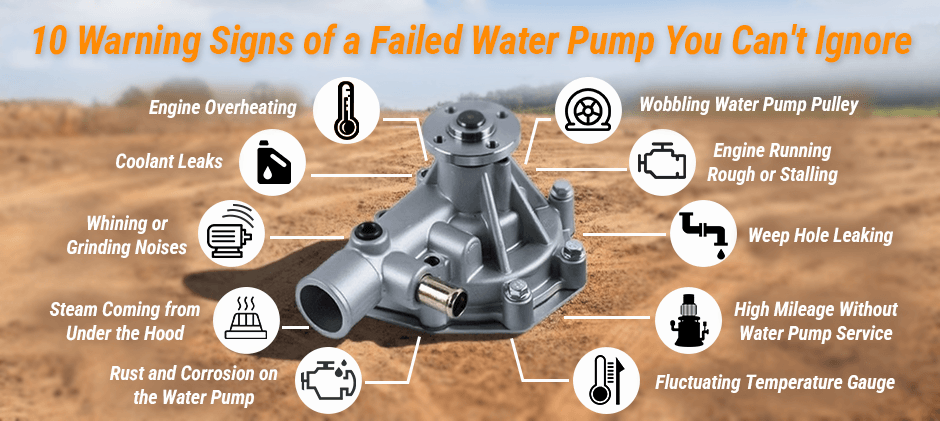
Rust or corrosion on the pump shows water exposure. This happens if water leaks out and sits on metal parts.
Signs of rust and corrosion include:
- Orange or brown discoloration on metal surfaces
- Flaky or rough patches on the pump body
- Metal parts that feel weak or brittle

Credit: www.fridayparts.com
Unusual Noises From The Pump
If your water pump is leaking, it might make strange noises. Listening for these sounds can help you spot a problem early.
Different noises can mean different issues. Knowing what to listen for is important.
Grinding Sounds
Grinding sounds are often a sign of worn-out parts inside the pump. These sounds usually mean that the pump parts are rubbing against each other.
- Check for loose bearings
- Inspect the impeller for damage
- Look for debris stuck inside the pump
Hissing Or Squealing
Hissing or squealing noises can indicate air trapped in the pump. This could also mean that the pump belt is slipping.
To fix these issues, you might need to:
- Check the pump belt for tightness
- Ensure all connections are sealed
- Bleed the system to release trapped air
Drop In Water Pressure
A drop in water pressure can signal a leak in your water pump. It often means less water flows through your pipes.
Detecting this early helps avoid bigger problems and costly repairs.
Weak Water Flow
When your water pump leaks, water flow weakens. The pump cannot push enough water to your taps.
- Showers feel weaker than usual.
- Water stream breaks or sputters.
- Lower water pressure in multiple fixtures.
- Sounds of water dripping near the pump.
Intermittent Water Supply
A leaking water pump can cause your water supply to stop and start. This makes water come out unevenly.
| Cause | Effect on Water Supply |
| Leak in pump seal | Water stops suddenly |
| Damaged pump valve | Water flows, then stops |
| Worn-out pump parts | Irregular water pressure |
Increased Energy Bills
If your water pump is leaking, it can cause your energy bills to rise. The pump must work harder to keep water flowing. This uses more electricity.
Detecting a leaking pump early helps save money and prevent damage. Watch for signs that show your pump is struggling.
Pump Working Harder
A leaking water pump loses pressure. To keep water moving, the pump runs longer and with more effort. This extra work uses more power.
- The pump may run nonstop or cycle frequently.
- You might hear unusual noises from the pump.
- Water pressure in taps could be lower than normal.
- Energy bills increase without changes in water use.
Signs Of Inefficiency
| Sign | Description | Effect on Energy |
| Visible Leaks | Water dripping near pump seals | Causes pump to work harder |
| Low Water Pressure | Weak flow from faucets | Forces pump to run longer |
| Frequent Pump Cycling | Pump turns on and off often | Increases electricity use |
| Warm Pump Motor | Heat from overworking parts | Indicates inefficiency |
Moisture Or Dampness Near Electrical Components
Water pumps are essential in many systems, but leaks can cause serious problems. One clear sign of a leak is moisture near electrical parts.
Electrical components should stay dry. When you see dampness or water near them, it may mean your water pump is leaking.
Check For Visible Water Or Damp Spots
Look around the electrical parts of your water pump. If you see water drops or wet spots, this is a strong sign of a leak.
Dampness can cause corrosion and damage the pump’s wiring. It also raises the risk of short circuits.
Smell For A Musty Or Moldy Odor
Moisture near electrical parts can create a damp smell. If you notice a musty or moldy odor, your pump might be leaking.
This smell often means water has been sitting there for some time. It needs to be fixed quickly to avoid damage.
Look For Rust Or Corrosion On Electrical Parts
Water leaks cause rust on metal parts. Check for rust or corrosion on wires, terminals, and other electrical components.
Rust weakens the parts and can stop the pump from working properly. It is a clear sign of water damage.
Feel For Dampness On Electrical Covers Or Panels
Touch the covers or panels near the pump’s electrical system. If they feel wet or damp, your water pump may be leaking.
Even small leaks can cause moisture buildup over time. It is important to check regularly to catch problems early.
Checking The Pump Seals And Connections
Water pumps can leak if seals or connections fail. Checking these parts helps find leaks early.
Look closely at seals and fittings to spot signs of damage or wear. Fixing problems quickly saves bigger repairs.
Seal Wear And Tear
Seals keep water inside the pump. Over time, seals can crack or break down. This causes water to leak out.
- Check seals for cracks or hard spots.
- Look for water around the seal area.
- Listen for unusual noises from the pump shaft.
- Replace seals if they show damage or stiffness.
Loose Or Damaged Fittings
Fittings connect pipes to the pump. Loose or broken fittings cause leaks and reduce pump efficiency.
| Issue | Signs | Action |
| Loose Fittings | Water drips or sprays from joints | Tighten fittings with a wrench |
| Damaged Fittings | Cracks or corrosion visible | Replace damaged fittings |
| Worn Threads | Fittings do not tighten well | Use thread seal tape or replace |
Routine Maintenance Tips To Prevent Leaks
Water pumps need regular care to avoid leaks. Small problems can cause big damage if ignored.
Routine maintenance helps keep your water pump working well and stops leaks early.
Regular Inspections
Check your water pump often for signs of leaks or damage. Look for wet spots or rust.
Inspect seals and hoses to make sure they are tight and not cracked. Loose parts cause leaks.
- Look for water around the pump base
- Check hoses for cracks or wear
- Inspect seals for dryness or breaks
- Listen for unusual noises during operation
Timely Repairs
Fix any leaks or damage quickly. Delays can make problems worse and cost more money.
Replace worn parts like seals, gaskets, or hoses as soon as you notice issues.
- Seal leaks with proper repair kits
- Replace damaged hoses immediately
- Use correct parts for your pump model
- Hire a professional if unsure about repairs

Credit: www.reddit.com
When To Call A Professional
Water pumps are important for many home systems. A leak can cause damage if not fixed quickly. Knowing when to get help can save time and money.
Some leaks are small and easy to fix. Others need a skilled technician to find the problem and repair it safely.
Signs You Shouldn’t Ignore
Watch for these signs to know if your water pump is leaking badly. Ignoring them can lead to bigger problems.
- Wet spots or puddles near the pump
- Unusual noises like grinding or squealing
- Drop in water pressure or flow
- Visible rust or corrosion on the pump
- Frequent pump cycling or short runs
- Water stains on walls or floors around the pump area
These signs show that the pump may be damaged or failing. Fixing leaks early can prevent water damage and costly repairs.
Choosing The Right Technician
Pick a technician with experience fixing water pumps. A good professional will diagnose the issue and fix it properly.
Look for these qualities when choosing a technician:
- Licensed and insured for water pump repair
- Positive reviews from other customers
- Clear pricing and no hidden fees
- Quick response and good communication
- Guarantee on parts and labor
Choosing the right technician ensures your pump works well again. It also helps avoid repeated leaks and more damage.
Frequently Asked Questions
How To Identify A Leaking Water Pump Early?
Look for coolant puddles under your vehicle or near the pump. Check for unusual engine overheating or a sweet smell from coolant leaks.
What Are The Common Signs Of Water Pump Leakage?
Common signs include coolant loss, engine overheating, and visible dripping near the pump. Also, listen for strange noises from the pump area.
Can A Leaking Water Pump Cause Engine Damage?
Yes, a leaking water pump can cause engine overheating and severe damage if not fixed promptly. It disrupts coolant circulation.
How To Check If The Water Pump Seal Is Leaking?
Inspect around the pump’s pulley and gasket for coolant residue or moisture. A damp or crusty area usually indicates a leak.
Conclusion
A leaking water pump can cause serious problems fast. Watch for wet spots or strange noises near the pump. Check the pump regularly to catch leaks early. Small leaks can become big and costly quickly. Acting soon saves money and keeps your system working well.
Trust your senses—listen and look closely every day. Fixing leaks early protects your home and your wallet. Don’t wait until damage shows up. Stay alert and take action as needed.