
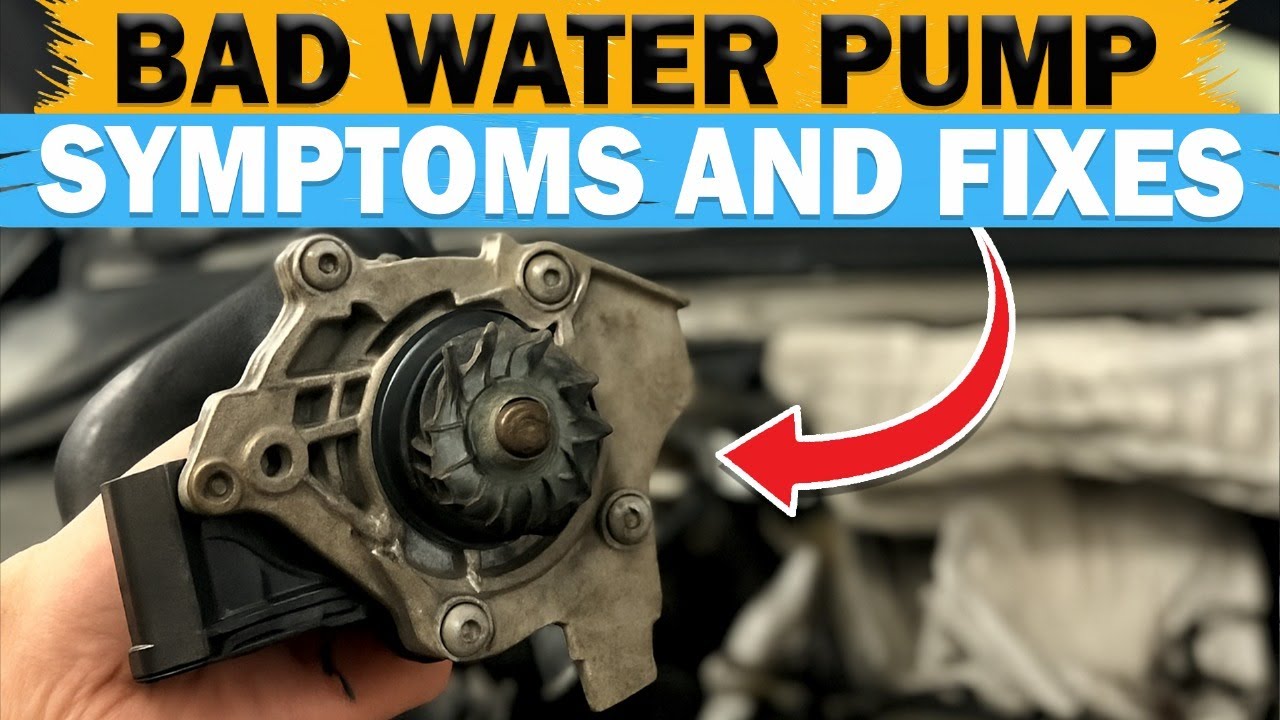
Have you noticed strange noises coming from your car or seen coolant leaking under it? These could be signs that your water pump is failing.
But how do you know for sure if your water pump is bad before it causes serious damage? Understanding the warning signs can save you time, money, and stress. You’ll learn exactly what to look for so you can catch problems early and keep your engine running smoothly.
Keep reading to protect your car and avoid costly repairs.
Common Water Pump Problems
The water pump is a key part of your car’s cooling system. It moves coolant through the engine to keep it cool. If the water pump fails, the engine can overheat and cause damage.
Knowing the signs of a bad water pump can help you fix problems early. Below are common issues to watch for.
Leaks And Moisture
Leaks near the water pump show it might be failing. Coolant can drip from the pump’s seals or gaskets. Moisture or wet spots on the engine could also mean a leak.
These leaks lower coolant levels and reduce cooling efficiency. Check under your car for puddles or wet marks.
Overheating Engine
A bad water pump can cause the engine to get too hot. Without proper coolant flow, heat builds up quickly. Watch your temperature gauge for signs of overheating.
Overheating can cause serious engine damage. Fix water pump issues as soon as you notice rising temperatures.
Unusual Noises
If the water pump bearings fail, you may hear strange sounds. A whining or grinding noise near the front of the engine is a common sign. These noises mean the pump is wearing out.
Ignoring these sounds can lead to complete pump failure and engine damage.
Steam Or Smoke
Steam coming from the engine area means coolant is leaking onto hot parts. A bad water pump can cause this leak. Smoke may also appear if the coolant burns off.
Steam or smoke signals serious cooling problems. Check your water pump right away if you see these signs.
Poor Coolant Circulation
The water pump pushes coolant through the engine. If it stops working well, coolant flow slows down. This causes uneven engine temperature and overheating spots.
You may notice heater problems inside the car or engine temperature changes. These signs mean the pump might not be circulating coolant properly.

Credit: www.h2oflowtech.co.uk
Visual Inspection Tips
Checking your water pump is essential to avoid major issues. A visual inspection can help you spot problems early.
Use these tips to check for signs of a bad water pump. It can save you time and money.
Check For Corrosion
Corrosion can weaken your water pump. Look for rust or discoloration on the pump's surface.
- Check metal parts for rust
- Look for white or green powdery residue
- Inspect around seals and joints
Look For Cracks And Damage
Cracks can lead to leaks in your water pump. Examine the pump for visible damage.
Inspect the pump housing and surrounding areas. Even small cracks can cause big issues.
- Check for visible cracks on the pump body
- Look for signs of leaking fluid
- Inspect seals for wear and tear
Inspect The Pulley And Belt
The pulley and belt are crucial for the pump's function. Make sure they are in good condition.
Check for signs of wear or misalignment. A loose belt can affect the pump's performance.
- Ensure the belt is tight and not frayed
- Check the pulley for wobbling or noise
- Look for signs of slipping or misalignment
Performance Symptoms
A water pump is key to your engine’s cooling system. When it fails, your engine may show warning signs. These signs help you know if the water pump is bad.
Here are common performance symptoms to watch for. They include changes in engine temperature, coolant levels, and heating inside the car.
Engine Temperature Fluctuations
A failing water pump causes the engine temperature to rise and fall unexpectedly. This happens because the coolant flow is uneven or stops. You may see the temperature gauge jump or the engine overheat.
Coolant Loss
One sign of a bad water pump is losing coolant without leaks elsewhere. The pump can leak coolant from its seals or shaft. This loss lowers the coolant level and hurts cooling.
- Look for puddles of coolant under the car
- Check the coolant reservoir for drops in level
- Notice any strange smells from the engine area
- Watch for steam or overheating signs
Reduced Heating Efficiency
A bad water pump can reduce the heater’s performance inside the vehicle. The heater relies on hot coolant circulating through the heater core. If the pump fails, heat circulation drops and the cabin stays cold.
| Symptom | Cause | Effect |
| Engine Temperature Fluctuations | Uneven coolant flow | Engine overheats or gauge jumps |
| Coolant Loss | Leaks from pump seals or shaft | Low coolant level, poor cooling |
| Reduced Heating Efficiency | Insufficient coolant circulation | Weak or no cabin heat |
Testing Methods
Knowing if a water pump is bad helps prevent engine problems. You can test the pump using simple checks.
These tests show if the pump works well or needs replacement. Use tools like pressure gauges and flow meters.
Pressure Test
A pressure test checks how well the pump moves coolant. It shows if the pump creates enough force.
Connect a pressure gauge to the cooling system. Run the engine and watch the pressure level.
- Low pressure means the pump may be weak or damaged
- Stable pressure shows a healthy pump
- Pressure drops quickly if there is a leak or bad seal
Thermostat Check
The thermostat controls coolant flow through the pump. A faulty thermostat can cause pump issues.
Check if the thermostat opens at the right temperature. Use a thermometer and heat the engine slowly.
- If the thermostat stays closed, coolant will not flow well
- Open thermostat means coolant flows freely
- A stuck thermostat can make the pump work harder
Flow Rate Measurement
Flow rate measurement shows how much coolant the pump moves. It helps find pump blockages or wear.
Use a flow meter or catch coolant in a container for a set time. Compare the amount to the pump’s specs.
- Low flow means the pump may be worn or blocked
- High flow with no pressure can mean a leak
- Normal flow shows the pump is working well
When To Replace The Water Pump
The water pump is a key part of your car’s cooling system. It moves coolant through the engine to stop it from overheating. Knowing when to replace the water pump helps avoid major engine problems.
Water pumps wear out over time. You should watch for signs that it is failing. Replacing the pump on time keeps your engine safe and running well.
Mileage And Age Factors
Water pumps usually last between 60,000 and 90,000 miles. Age also matters because parts can wear out even if you drive less. Check your car’s manual for specific advice.
If your car is over 5 years old or has high mileage, inspect the water pump regularly. Old pumps may leak or fail suddenly.
- Replace water pump every 60,000 to 90,000 miles
- Check pump if car is older than 5 years
- Inspect during major engine service
Signs Of Severe Damage
Severe damage to the water pump can cause engine overheating or coolant leaks. Watch for unusual noises or steam from the engine area. These signs mean it is time to replace the pump.
Ignoring damage can lead to engine failure. Get your water pump checked if you see these signs:
- Coolant leaking near the water pump
- Whining or grinding noise from the pump
- Engine temperature rising quickly
- Steam coming from under the hood
- Engine overheating warning light
Preventive Maintenance Tips
Regular maintenance helps extend the life of your water pump. Check coolant levels and quality often. Clean the cooling system parts to avoid buildup that can damage the pump.
Replace the timing belt if your car has one. It drives the water pump and can cause damage if it breaks.
- Check coolant levels monthly
- Use the right coolant type for your car
- Flush cooling system every 2 years
- Inspect belts and hoses regularly
- Replace timing belt as recommended
Credit: cj4water.com

Credit: www.youtube.com
Frequently Asked Questions
How Can I Tell If My Water Pump Is Failing?
A failing water pump often causes coolant leaks, engine overheating, and strange noises. Check for wet spots or a high engine temperature. If the pump’s pulley wobbles or makes grinding sounds, it likely needs replacement.
What Are Common Symptoms Of A Bad Water Pump?
Common symptoms include coolant leaks near the pump, engine overheating, steam from the radiator, and unusual whining noises. These signs indicate the pump is not circulating coolant effectively and requires immediate attention.
Can A Bad Water Pump Cause Engine Overheating?
Yes, a bad water pump disrupts coolant flow, causing the engine to overheat. Without proper cooling, engine parts can get damaged. Timely replacement prevents costly repairs and ensures your engine runs smoothly.
How Long Does A Water Pump Usually Last?
A water pump typically lasts between 60,000 to 90,000 miles. Its lifespan depends on driving conditions and maintenance. Regular checks help catch wear early, preventing unexpected failures.
Conclusion
A bad water pump can cause many car problems. Strange noises, leaks, or overheating are clear signs. Catching these early saves time and money. Regular checks keep your engine running smooth. Don’t ignore small issues; they can get worse fast.
Knowing these signs helps protect your vehicle. Stay alert and act quickly to avoid big repairs. Keep your car healthy by watching the water pump closely. Simple steps can prevent serious damage down the road.