
Don't Let a Leaky Hot Water Tank Leave You High and Dry: A Step-by-Step Guide Are you tired of dealing with the stress and inconvenience of a leaking hot water tank? Do you dread the thought of having to call a plumber and deal with the resulting mess and expense?
You're not alone. Hot water tanks can be a real headache, but the good news is that draining and replacing them is a relatively simple process. We'll walk you through the steps you need to take to safely drain your hot water tank and get back to enjoying warm showers and clean laundry without the worry of a leaky tank.
Whether you're a DIY enthusiast or just looking for a cost-effective solution, we'll provide you with a clear and concise guide to help you tackle the job with confidence. So, let's get started!
Why Drain Your Hot Water Tank
Draining your hot water tank is an essential maintenance task that can save you money, prevent safety hazards, and ensure a steady supply of hot water in your home.
Benefits Of Regular Maintenance
- Prevents Sediment Buildup: Regular draining removes sediment and debris that can accumulate at the bottom of the tank, reducing its efficiency and lifespan.
- Reduces Energy Consumption: A clean hot water tank uses less energy to heat water, saving you money on your utility bills.
- Extends Tank Lifespan: Draining and cleaning your hot water tank can extend its lifespan by preventing corrosion and mineral buildup.
- Improves Water Quality: Regular draining helps remove contaminants and bacteria that can affect the taste and odor of your water.
Signs You Need To Drain The Tank
If you notice any of the following signs, it's time to drain your hot water tank:
- Reduced Water Pressure: If you notice a decrease in water pressure or a slower flow rate, it may be a sign that sediment is building up in the tank.
- Leaks or Rust: Check for signs of rust, corrosion, or leaks around the tank, which can indicate a need for draining and maintenance.
- Noisy Operation: A noisy hot water tank can be a sign that sediment is moving around inside the tank, causing friction and noise.
- Discolored or Stained Water: If your water appears discolored or stained, it may be a sign that the tank is not functioning properly.
| Symptom | Causes |
|---|---|
| Reduced Water Pressure | Sediment buildup, mineral deposits, or corrosion |
| Leaks or Rust | Corrosion, mineral buildup, or poor maintenance |
| Noisy Operation | Sediment movement, mineral buildup, or loose parts |
| Discolored or Stained Water | Corrosion, mineral buildup, or bacterial growth |
Tools And Materials Needed
Draining your hot water tank is a simple task. You need the right tools and safety gear to do it properly.
This guide will help you gather everything you need to drain your hot water tank safely.
Essential Equipment
Gather these tools before you start. They will make the process easier.
- Garden hose
- Adjustable wrench
- Bucket
- Flathead screwdriver
Safety Gear
Safety is important when working with hot water. Use proper gear to protect yourself.
- Heat-resistant gloves
- Safety goggles
- Non-slip shoes
Preparing The Water Heater
Before draining your hot water tank, it's essential to prepare the water heater properly. This involves turning off the power or gas supply and shutting off the water supply to prevent any accidental releases or damage.
Turning Off Power Or Gas
Locate the shut-off valve for the power or gas supply to the water heater. This valve is usually located near the water heater or in the electrical panel. Turn the valve clockwise to shut off the power or gas supply.
For electric water heaters, you may need to switch off the circuit breaker or remove the fuse. For gas water heaters, you'll need to turn the gas supply valve to the "off" position.
| Water Heater Type | Shut-off Procedure |
| Electric | Switch off the circuit breaker or remove the fuse |
| Gas | Turn the gas supply valve to the "off" position |
Shutting Off The Water Supply
Locate the shut-off valve for the water supply to the water heater. This valve is usually located near the water heater or under the sink. Turn the valve clockwise to shut off the water supply.
- Find the shut-off valve for the water supply
- Turn the valve clockwise to shut off the water supply
It's essential to shut off the water supply before draining the tank to prevent any accidental releases or damage.
Step-by-step Draining Process
Draining your hot water tank helps remove sediment and keeps it running well.
Follow these steps carefully to drain your tank safely and efficiently.
Connecting A Hose To The Drain Valve
First, turn off the power or gas supply to your water heater.
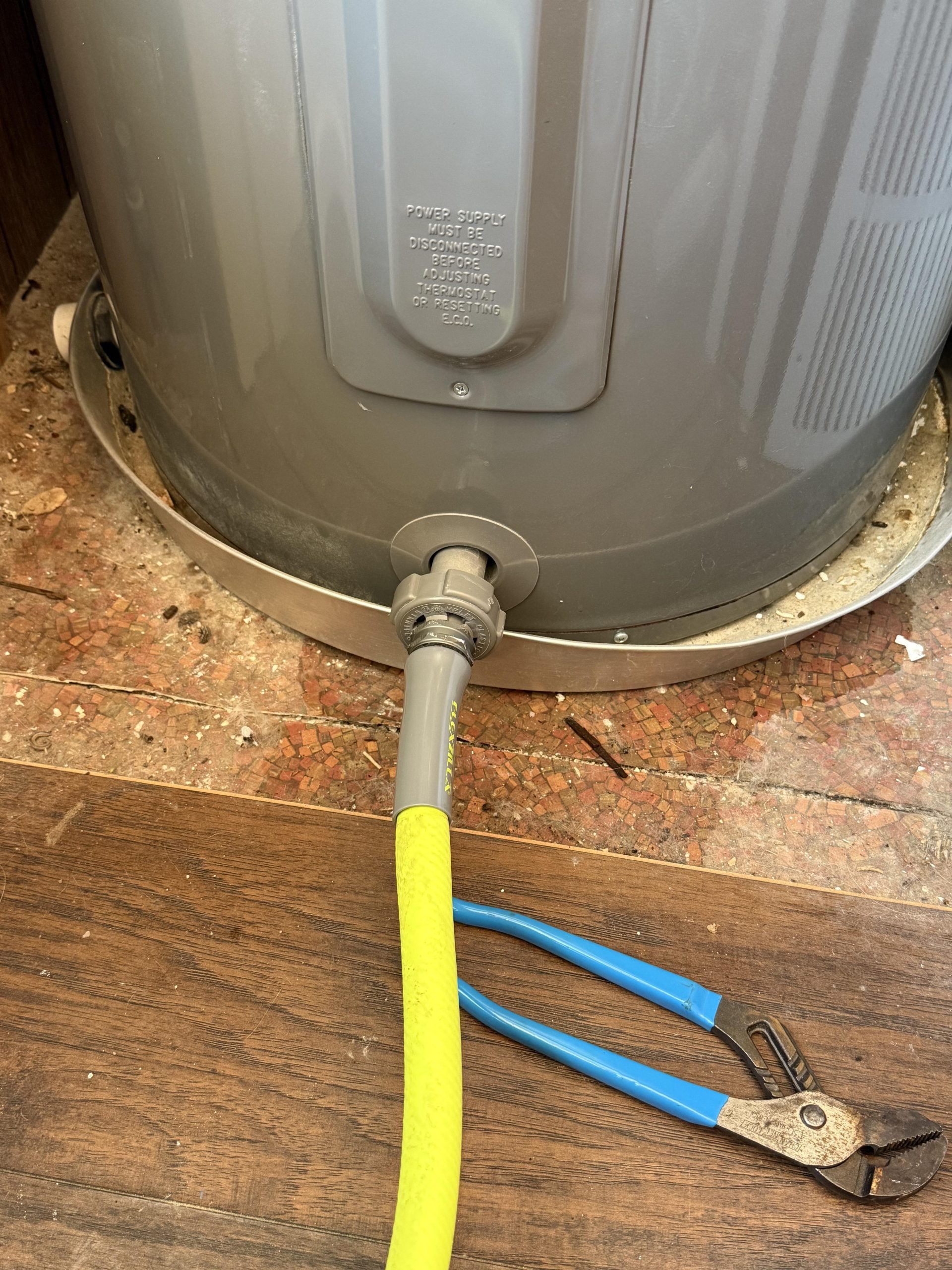
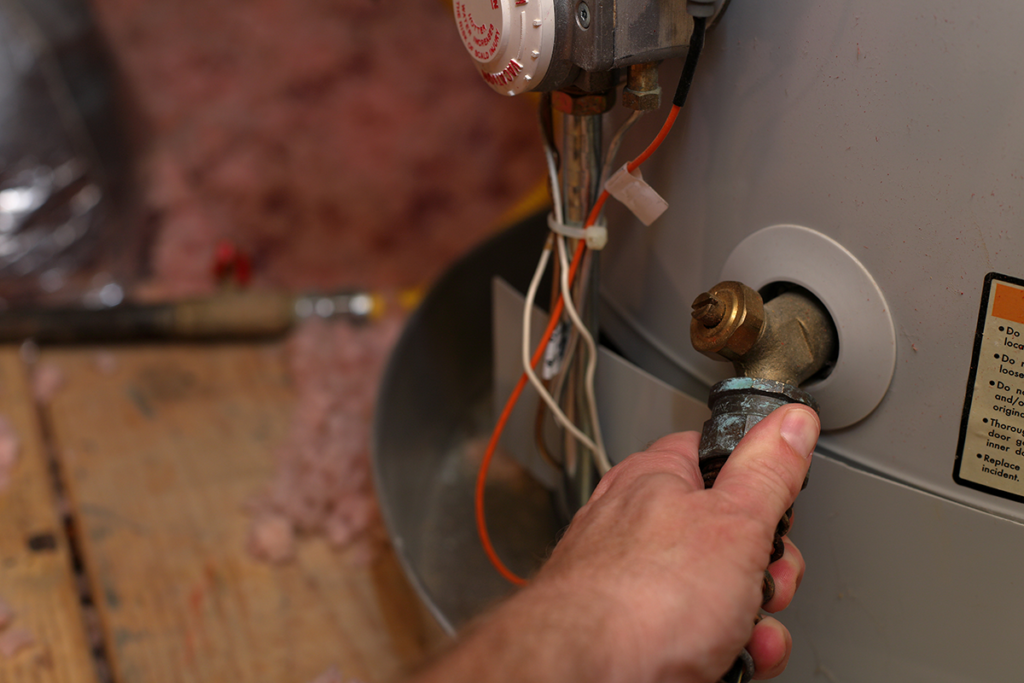
Attach a garden hose to the drain valve located near the bottom of the tank.
- Make sure the hose fits tightly to avoid leaks.
- Run the hose to a safe drainage area.
- Check that the hose is free of kinks.
Opening The Drain Valve
Next, open the drain valve slowly to let water flow out through the hose.
Be careful as the water may be very hot.
- Open a hot water faucet inside your home to let air in.
- Turn the drain valve counterclockwise to open it.
- Allow the tank to empty completely.
Flushing Sediment From The Tank
After draining, flush the tank to clear out leftover sediment.
| Flushing Steps | Description |
|---|---|
| Refill the Tank | Close the drain valve and open the cold water supply valve to refill the tank halfway. |
| Drain Again | Open the drain valve to flush out loosened sediment with the water. |
| Repeat if Needed | Repeat refilling and draining until water runs clear. |
| Close Valve | Close the drain valve and remove the hose once flushing is done. |
Refilling And Restarting The Heater
After draining your hot water tank, you need to refill and restart it properly. This ensures your heater works safely and efficiently.
Follow these steps to close the drain valve, turn on the water supply, and restore power or gas to your heater.
Closing The Drain Valve
Locate the drain valve near the bottom of the tank. Turn it clockwise to close it fully. Make sure no water is leaking out before moving on.
- Use pliers if the valve is hard to turn
- Close the valve tightly to prevent leaks
- Check for drips after closing
Turning On Water Supply
Open the main water supply valve that fills the tank. This lets water flow back into the heater. Wait until the tank is full before restarting it.
Listen for water sounds to confirm the tank is filling. Check any nearby faucets to remove air from the pipes.
- Open cold water valve slowly
- Let tank fill completely
- Run a hot water tap to remove air
Restoring Power Or Gas
After the tank is full, turn the power back on at the circuit breaker or relight the gas pilot light. This restarts the heating process.
Wait for the water to heat. Check the thermostat settings to ensure proper temperature control.
- Switch on the electric heater breaker
- Or relight the gas pilot light safely
- Set thermostat to desired temperature

Credit: www.wikihow.com
Maintenance Tips To Extend Tank Life
Draining your hot water tank keeps it working well for a long time. Sediment builds up inside and can cause damage. Regular maintenance helps avoid costly repairs.
This guide explains how often to drain your tank and extra care steps to protect it.
Frequency Of Draining
Draining your hot water tank removes sediment and keeps the heater efficient. The right frequency depends on your water quality and tank type.
- Drain the tank at least once every six months for hard water areas.
- In areas with soft water, draining once a year is enough.
- If you notice noises or less hot water, drain the tank sooner.
- Always follow the manufacturer’s instructions for your model.
Additional Care Practices
Besides draining, other care steps help your hot water tank last longer. These tasks protect the tank and keep it running smoothly.
| Care Task | Purpose | How Often |
| Check the Anode Rod | Prevents tank corrosion | Every 1-2 years |
| Insulate the Tank | Reduces heat loss | Once, then inspect yearly |
| Test Temperature Pressure Valve | Ensures safety and proper pressure | Yearly |
| Flush the Tank | Removes sediment build-up | Every 6-12 months |
Troubleshooting Common Issues
Draining your hot water tank is important for maintenance. Sometimes, problems can stop the process. This guide helps you fix common issues.
We focus on two common problems: leaking drain valve and no water flow during draining. Follow these tips to solve them safely.
Leaking Drain Valve
A leaking drain valve can cause water damage and slow draining. It usually happens because of wear or loose parts.
- Check if the valve is tightly closed.
- Look for cracks or rust on the valve body.
- Replace the valve washer if it is worn out.
- If the valve is damaged, replace the entire valve.
- Use plumber’s tape on the threads to stop leaks.
No Water Flow During Draining
No water flow can happen if air cannot enter the tank or the drain is blocked. This stops draining completely.
| Possible Cause | How to Fix |
| Closed hot water shutoff valve | Open the valve fully before draining |
| Closed cold water inlet valve | Open the cold water valve to let air in |
| Clogged drain pipe or valve | Clear the blockage or replace the drain valve |
| Corroded tank inside | Consider tank replacement if corrosion is severe |
Credit: www.sunheating.com

Credit: www.angi.com
Frequently Asked Questions
How Often Should I Drain My Hot Water Tank?
Draining your hot water tank once a year helps remove sediment buildup. This improves efficiency and extends the tank’s lifespan. Regular maintenance prevents corrosion and maintains water quality.
What Tools Do I Need To Drain A Hot Water Tank?
You’ll need a garden hose, a bucket, and a screwdriver or wrench. These tools help safely drain and control water flow from the tank. Always turn off the power and water supply first.
Can I Drain My Hot Water Tank Myself?
Yes, you can drain it yourself by following safety steps carefully. Turn off the power and water supply, attach a hose, open the drain valve, and let water flow out. If unsure, consult a professional.
How Long Does It Take To Drain A Hot Water Tank?
Draining usually takes 30 to 60 minutes, depending on the tank size. Larger tanks or tanks with heavy sediment may take longer. Always allow extra time for flushing and refilling.
Conclusion
Draining your hot water tank is a crucial maintenance task. It helps remove sediment and debris. Regular draining ensures your tank functions efficiently and safely. Water quality improves, and your appliance lasts longer. By following the steps outlined, you can drain your hot water tank with ease.
This simple process saves you money on repairs and replacements. It also reduces the risk of leaks and other issues. Stay on top of maintenance to enjoy a reliable and efficient hot water supply. Proper care extends the life of your tank and your peace of mind.