

Are you wondering if you really need Teflon tape on your faucet supply lines? It’s a common question that can save you from leaks, water damage, and costly repairs.
Using the right materials in your plumbing might seem simple, but missing one small step can cause big problems. You’ll discover when and why Teflon tape matters, how to use it correctly, and what happens if you skip it. By the end, you’ll feel confident handling your faucet connections like a pro.
Keep reading to protect your home and avoid unnecessary headaches.
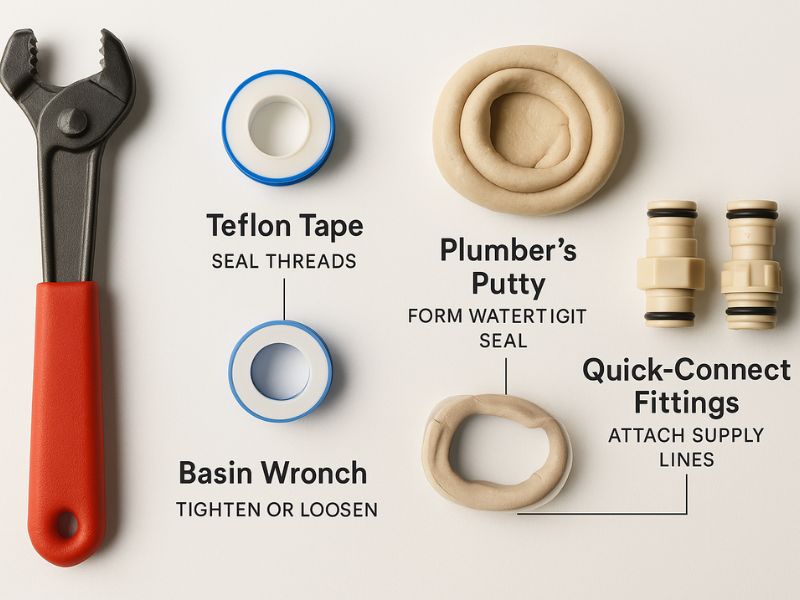
Credit: www.faucetproducer.com
Purpose Of Teflon Tape
Teflon tape helps create a tight seal on plumbing threads. It prevents leaks in water and gas pipes.
Using Teflon tape on faucet supply lines can stop water from dripping out. It also protects the threads from damage.
How Teflon Tape Works
Teflon tape is a thin white film wrapped around pipe threads. It fills tiny gaps between threads to block leaks.
- The tape acts as a lubricant to help tighten connections.
- It prevents metal parts from sticking or corroding.
- Teflon tape can handle water, air, and gas pressure.
Common Uses In Plumbing
Plumbers use Teflon tape for many pipe fittings. It is often used on faucets, valves, and water supply lines.
| Application | Purpose |
| Faucet supply lines | Prevent leaks around threaded joints |
| Showerheads | Ensure tight, watertight connections |
| Water valves | Protect threads and ease installation |
| Gas pipes | Seal joints to stop gas leaks |
Faucet Supply Lines Basics
Faucet supply lines connect your faucet to the water supply. They are essential for delivering water smoothly.
Understanding the materials and design of these lines helps ensure proper installation and function.
Materials And Design
Faucet supply lines come in various materials and designs. Each type has its own advantages.
- Flexible plastic: Lightweight and easy to install.
- Braided stainless steel: Durable and resistant to leaks.
- PVC: Cost-effective and simple to handle.
Thread Types And Seals
Thread types and seals are crucial for preventing leaks. They ensure a tight fit between connections.
| Thread Type | Common Use |
| NPT (National Pipe Thread) | Standard in plumbing |
| Compression | Used with metal and plastic pipes |
| Flare | High-pressure applications |
When To Use Teflon Tape
Teflon tape helps seal threaded pipe connections. It prevents water leaks in plumbing.
Knowing when to use it saves time and stops damage. It works best with metal threads.
Threaded Connections
Use Teflon tape on threaded faucet supply lines. It fills gaps between threads for a tight fit.
Wrap the tape clockwise around the threads. This helps the tape stay in place as you tighten.
- Wrap 3 to 4 times around the threads
- Keep the tape smooth without wrinkles
- Do not cover the first thread to avoid buildup
Avoiding Leaks
Teflon tape seals the connection to stop leaks. It works by blocking water from escaping.
Without tape, water can drip from loose threads. Teflon tape also helps protect threads from damage.
- Check for leaks after installation
- Reapply tape if you remove and reinstall fittings
- Use tape only on dry threads for best results
When Teflon Tape Is Unnecessary
Teflon tape is often used to seal pipe threads. It helps prevent leaks in many plumbing jobs. But some faucet supply lines do not need Teflon tape.
Using Teflon tape in the wrong place can cause problems. It is important to know when you do not need it.
Pre-sealed Supply Lines
Many faucet supply lines come with rubber or plastic washers already inside. These washers create a tight seal without tape. The ends of these lines are often called pre-sealed or factory-sealed.
Adding Teflon tape to these pre-sealed lines can cause leaks. The tape can prevent the washer from fitting correctly. It may also cause the connection to loosen over time.
Compression Fittings
Compression fittings use a ring or ferrule to seal the joint. The fitting tightens around the pipe when you screw it in. This creates a watertight seal without tape or glue.
Putting Teflon tape on compression fittings can stop the ring from sealing properly. It can cause leaks or damage to the fitting. Use tape only on threaded joints, not on compression fittings.
Applying Teflon Tape Correctly
Teflon tape helps create a tight seal on faucet supply lines. It prevents leaks and protects threads from damage.
Knowing how to apply it correctly is important for a long-lasting connection. Here is how to do it right.
Step-by-step Guide
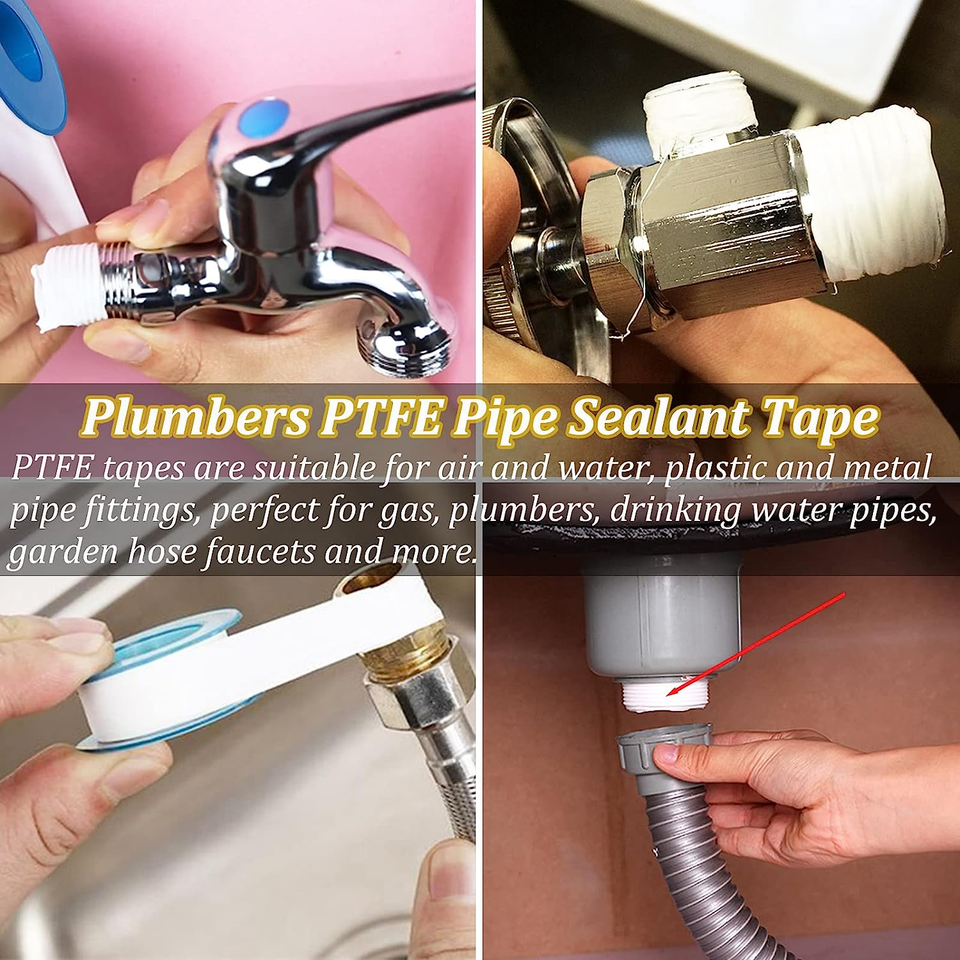
Start by cleaning the threads on the faucet supply line. Remove any dirt or old tape to get a smooth surface.
Wrap the Teflon tape around the threads in the same direction as you will screw the supply line. This keeps the tape tight.
- Hold the pipe fitting firmly.
- Place the tape on the first thread.
- Wrap tape around threads 3-5 times.
- Keep tape flat and smooth without wrinkles.
- Tear the tape and press the end firmly.
Once wrapped, screw the supply line onto the faucet by hand. Tighten it with a wrench, but do not overtighten.
Common Mistakes To Avoid
Using too much tape can cause the supply line to crack or fit poorly. Use only enough to cover the threads well.
Wrapping the tape in the wrong direction can cause it to unravel when tightening. Always wrap clockwise.
- Do not cover the first thread too much; leave some exposed.
- Avoid overlapping tape unevenly; it should lie flat.
- Never use old or damaged tape.
- Don’t overtighten the connection.
Credit: automatichandling.com
Alternatives To Teflon Tape
Teflon tape is common for sealing faucet supply lines. Some people prefer other options. These alternatives also help stop leaks and keep connections tight.
Choosing the right seal depends on your pipe type and water pressure. Below are two good options besides Teflon tape.
Pipe Dope
Pipe dope is a paste used to seal threaded pipe joints. It fills gaps and prevents water from leaking out. You apply it directly to the threads before connecting pipes.
This sealant works well on metal pipes. It also helps make disassembly easier later. Some types dry fast while others stay soft for a long time.
- Use on metal faucet supply lines
- Apply a thin layer on pipe threads
- Creates a strong, leak-proof seal
- Allows easy pipe disconnection
Rubber Washers And Gaskets
Rubber washers and gaskets create tight seals at pipe connections. They stop leaks by filling spaces between parts. Many faucets use these inside connectors.
Washers and gaskets are easy to replace. They do not need extra sealant. Choose the right size to fit your faucet supply line.
- Fit inside faucet connectors
- Prevent leaks without extra tape
- Replace when worn or damaged
- Work well with compression fittings
Troubleshooting Leaks
Leaks in faucet supply lines can waste water and cause damage. Fixing them quickly is important. This guide helps you find leaks and solve common problems.
Knowing if you need Teflon tape on faucet supply lines can stop leaks. Use the right method to seal connections and avoid water drips.
Identifying The Source
Check where the water is coming from to find leaks. Look closely at the supply line, connectors, and faucet base. Dry the area first to see fresh drops.
- Inspect the connection between the supply line and the faucet.
- Check the supply line where it meets the shut-off valve.
- Look for cracks or worn parts on the hose.
- Feel for moisture or wet spots along the line.
- Turn on water slowly to watch for leaks.
Fixing Common Issues
Many leaks happen because of loose fittings or missing Teflon tape. Use tape on threaded connections to create a tight seal. Tighten fittings without overdoing it.
| Problem | Cause | Solution |
| Leak at faucet connection | No Teflon tape or loose fitting | Wrap tape, then tighten fitting |
| Leak near shut-off valve | Worn washer or loose nut | Replace washer, tighten nut |
| Cracked supply line | Aging or damage | Replace supply line |
| Drip from faucet base | Old cartridge or seal | Replace cartridge or seal |
Credit: www.diychatroom.com
Frequently Asked Questions
Do Faucet Supply Lines Require Teflon Tape?
Faucet supply lines usually have rubber or compression fittings. These don't require Teflon tape for sealing. Teflon tape is mainly for threaded pipe connections, not flexible supply lines.
Can Teflon Tape Prevent Leaks On Faucet Lines?
Teflon tape helps seal threaded connections and prevents leaks. For faucet supply lines with compression fittings, it is generally unnecessary and won't improve sealing.
How To Properly Seal Faucet Supply Line Connections?
Use compression fittings or rubber washers for faucet supply lines. Tighten connections securely but avoid over-tightening. Teflon tape is not required unless threads are present.
Is Teflon Tape Safe For Water Supply Lines?
Yes, Teflon tape is safe for potable water lines when used correctly. Use plumber’s grade tape designed for water systems to avoid contamination.
Conclusion
Teflon tape helps create a tight seal on faucet supply lines. It prevents leaks and keeps water flowing smoothly. Using tape is a simple step that can save time and money. Not every connection needs it, but it works well for threaded joints.
Always wrap the tape in the right direction for best results. Small effort, big difference. Keep your plumbing secure and avoid future problems. Trust the tape for a leak-free faucet connection. Easy and effective.