
Have you noticed your car’s coolant level dropping without a clear reason? You might be wondering if a bad water pump could be the culprit.
Understanding how your water pump affects your cooling system is key to avoiding bigger, costlier problems down the road. You’ll discover why a failing water pump can lead to coolant loss and what signs you should watch for. Keep reading to protect your engine and save yourself from unexpected repairs.
Role Of Water Pump In Cooling System
The water pump is a key part of a car's cooling system. It moves coolant through the engine to keep it cool.
If the water pump fails, the engine can overheat. This can also cause coolant loss, which is a serious issue.
How Water Pump Circulates Coolant
The water pump pushes coolant from the radiator into the engine. This helps absorb heat from the engine parts.
- The pump pulls coolant from the radiator.
- It pushes coolant through the engine block and cylinder head.
- Coolant absorbs heat and flows back to the radiator.
- The radiator cools the liquid before the cycle repeats.
Signs Of A Failing Water Pump
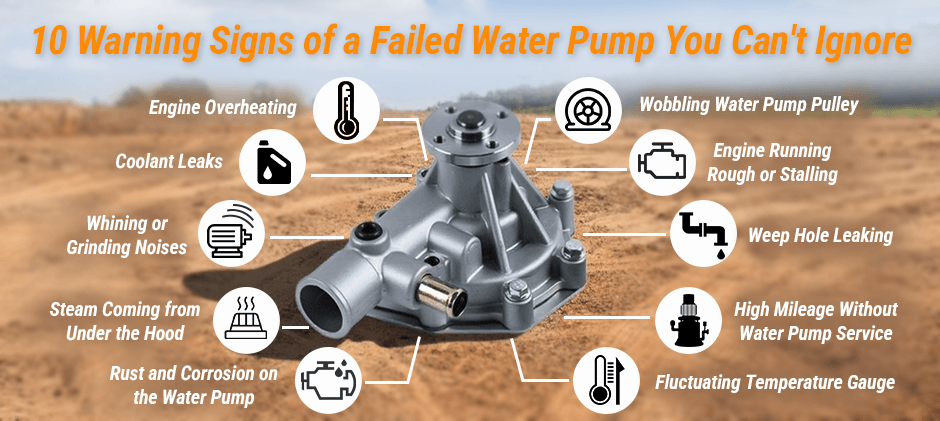
A bad water pump can cause coolant leaks and engine overheating. Watch for these warning signs:
| Sign | Description |
| Coolant Leak | Visible coolant under the car or near the pump. |
| Overheating | Engine temperature rises quickly or stays high. |
| Noise | Squealing or grinding sounds from the pump area. |
| Steam | Steam coming from the radiator or engine. |
Credit: www.canuckmotors.ca
Causes Of Coolant Loss
Coolant loss in a vehicle can lead to engine overheating. Understanding the causes helps in timely repair and maintenance.
A bad water pump is one cause of coolant loss. There are other factors that also contribute to this issue.
Leaks In Hoses And Radiator
Hoses and radiators play a key role in the cooling system. When they leak, coolant escapes, leading to potential engine damage.
Inspect hoses for cracks or wear. Radiator leaks may appear as puddles under the vehicle.
- Check for visible cracks in hoses
- Look for puddles under the car
- Inspect radiator for rust or corrosion
Faulty Thermostat Effects
The thermostat regulates coolant flow in the engine. A faulty thermostat can cause coolant to leak or overflow.
If the thermostat sticks, it might block coolant flow. This can result in overheating or coolant loss.
- Check if the engine overheats quickly
- Listen for unusual noises from the thermostat area
- Monitor coolant levels regularly
Impact Of A Bad Water Pump On Coolant Levels
A water pump moves coolant through the engine to keep it cool. If the pump fails, coolant levels can drop quickly. This can cause engine problems and overheating.
Understanding how a bad water pump affects coolant helps you catch issues early. Two main problems are leakage and evaporation caused by overheating.
Leakage From Water Pump Seal
The water pump has seals to stop coolant from leaking. When these seals wear out, coolant can drip or leak out. This lowers the coolant level in the system.
- Seal wear or damage causes coolant leaks.
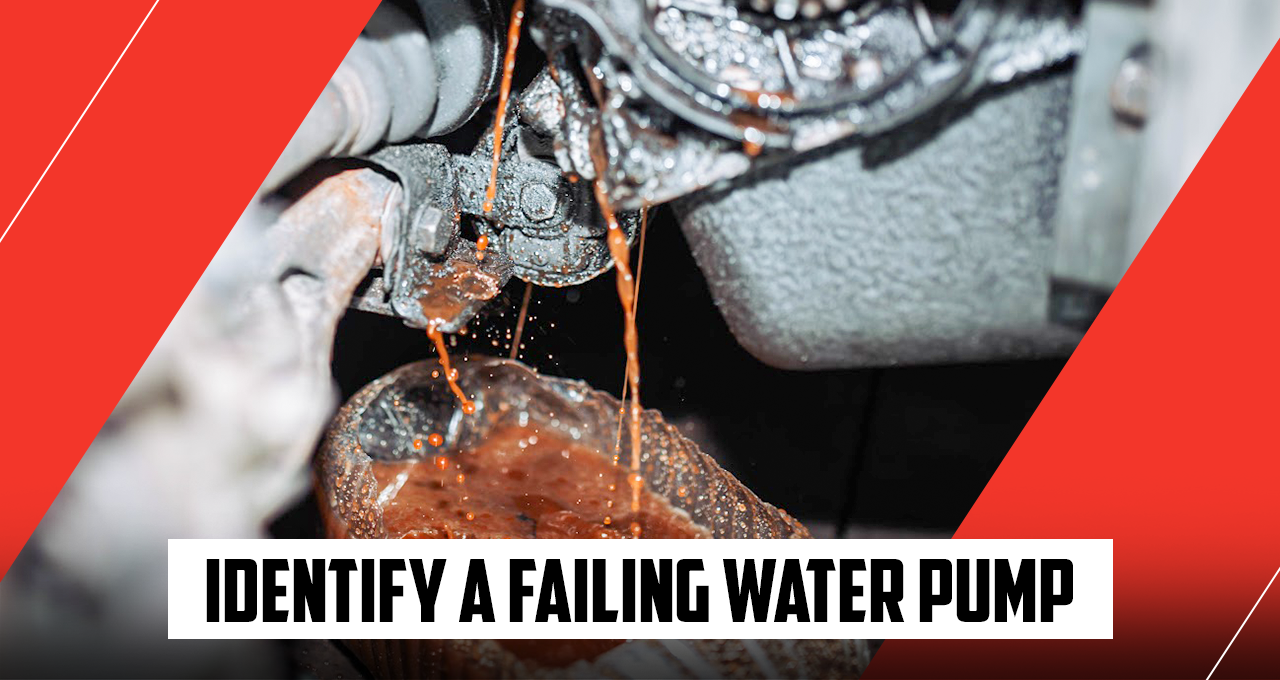
- Leaks often appear as puddles under the vehicle.
- Low coolant levels reduce the cooling effect on the engine.
- Ignoring leaks can lead to engine overheating and damage.
Overheating And Coolant Evaporation
A bad water pump can fail to circulate coolant properly. This causes the engine to overheat. When the engine runs hot, coolant can evaporate faster.
| Cause | Effect on Coolant |
| Poor coolant circulation | Engine overheats |
| High engine temperature | Increased coolant evaporation |
| Coolant evaporation | Lower coolant levels |
| Low coolant levels | Risk of engine damage |
Identifying Water Pump Issues
A faulty water pump can cause coolant loss in your vehicle. It is important to spot early signs of trouble. Knowing what to look for helps prevent bigger engine problems.
This guide covers key indicators like noise, vibration, and visual damage. These signs help you decide if your water pump needs repair or replacement.
Noise And Vibration Indicators
Unusual sounds or shaking often point to water pump issues. Listen carefully while the engine runs. These noises may grow louder over time.
- A high-pitched whining or grinding noise near the front of the engine
- Engine vibrations that increase with speed
- Rattling sounds caused by loose bearings inside the pump
- Water pump pulley wobbling when touched
- Coolant leaks combined with noise
Visual Signs Of Damage
Checking your water pump visually reveals many problems early. Look for damage or leaks around the pump area.
| Visual Sign | What It Means |
| Coolant leaking near the water pump | Seal or gasket failure |
| Rust or corrosion on the pump body | Water contamination or old coolant |
| Cracked or worn pump housing | Physical damage or age |
| Loose or damaged pump pulley | Worn bearings or misalignment |
| Coolant residue or crusty build-up | Slow leaks or evaporation |
Preventing Coolant Loss Due To Water Pump
The water pump moves coolant through the engine to keep it cool. A bad water pump can cause coolant leaks. This leads to coolant loss and engine overheating.
It is important to prevent coolant loss by keeping the water pump in good condition. Regular checks and timely replacements help avoid big problems.
Regular Maintenance Tips
Check the water pump during routine car maintenance. Look for leaks or unusual noises near the pump. Keep an eye on coolant levels often.
Replacing worn belts and hoses helps the water pump work well. Clean the cooling system to stop dirt from damaging parts. Use the right coolant type for your car.
- Inspect water pump seals and gaskets for leaks
- Listen for grinding or squealing sounds
- Check coolant levels regularly
- Replace belts and hoses on time
- Flush the cooling system as recommended
When To Replace The Water Pump
Replace the water pump if you see leaks or hear strange noises. Also, change it if the engine overheats often. A worn pump cannot move coolant properly.
Follow the vehicle’s service schedule for water pump replacement. Early replacement stops coolant loss and engine damage. Always use quality parts for best results.
- Water pump leaks visible on the engine
- Grinding or whining noises near the pump
- Engine overheating or coolant boiling
- Corroded or damaged pump parts
- Reached the mileage or age limit suggested by the manufacturer

Credit: www.johnellisandson.com

Credit: www.reddit.com
Frequently Asked Questions
Can A Faulty Water Pump Cause Coolant Leaks?
Yes, a faulty water pump can cause coolant leaks. The pump seals and gaskets may wear out, leading to leaks. This results in coolant loss and potential engine overheating.
How Does A Bad Water Pump Affect Coolant Levels?
A bad water pump can lower coolant levels by leaking or failing to circulate coolant properly. This leads to overheating and engine damage if not fixed promptly.
What Are Signs Of A Failing Water Pump Causing Coolant Loss?
Signs include coolant puddles under the car, engine overheating, whining noises, and steam from the radiator. These symptoms indicate a water pump problem causing coolant loss.
Can Coolant Loss Damage The Engine Without A Water Pump Fix?
Yes, coolant loss from a bad water pump can cause engine overheating. Overheating leads to severe engine damage, including warped heads and gasket failure.
Conclusion
A bad water pump can definitely cause coolant loss. It may leak or fail to circulate coolant properly. This leads to engine overheating and damage. Watch for signs like leaks or temperature rise. Fixing the water pump early saves costly repairs later.
Keep your cooling system in good shape. Regular checks help catch problems fast. Don’t ignore strange noises or low coolant levels. Stay alert to protect your engine’s health and performance.